
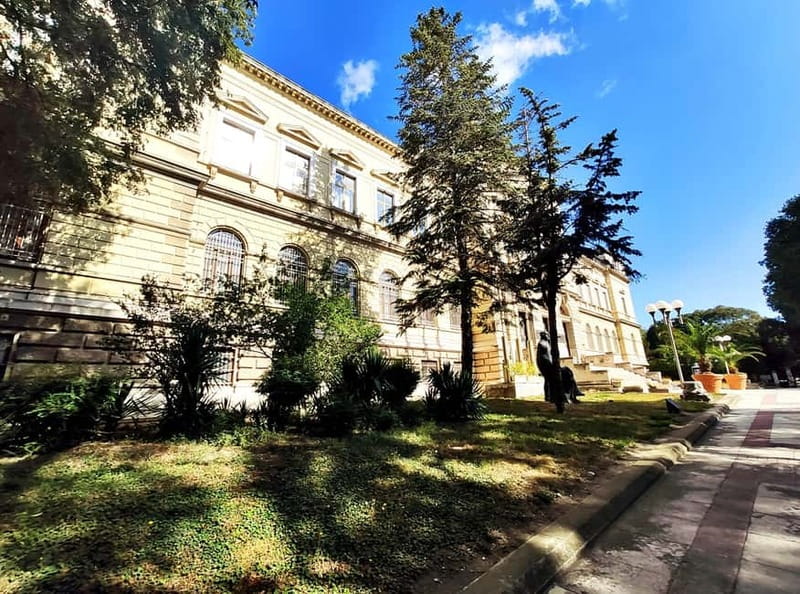
Reviewed · MUSEUMS
Varna: Archaeological Museum Ticket & E-Guide
Varna’s Archaeological Museum is interesting because it turns one city into a time machine. One ticket gets you a self-guided walk through the millennia, from some of the earliest human presence in the region to the later Bronze and Iron Ages, with the story of Odessos, today’s Varna, woven through the galleries.
I love the way the permanent exhibition is arranged chronologically, so you can actually follow change over time instead of just hopping between objects. I also love the personalized e-guide setup, because it gives you context for what you are looking at, not just labels.
One consideration: if you rely on the written text inside the halls, note that some descriptions may be only in Bulgarian. The e-guide helps a lot, but it is smart to plan for moments where you will be looking harder than expected.
Key points to know before you go
- Self-paced chronological galleries help you make sense of thousands of years in order
- Personalized e-guide gives you context on Varna and the surrounding region
- Expect “wow” artifacts like jewelry, tombstones, skeletons, hunting gear, and surgical tools
- Fast entry with express elevators saves time at the start
- Photo rules are strict in the exhibition halls and may require an extra fee
- Temporary exhibitions are not included, so focus on the permanent displays
Why Varna Archaeology Hits Different: Odessos Through the Ages
This visit works because the museum does not treat Varna as a single point in time. Instead, it lays out human life in the region across eras, so you can see how everyday tools, burial practices, and craftsmanship evolved long before Varna became Varna.
The focus on the founding of Odessos, today’s Varna, is especially useful. You get to connect the name you hear on maps with the deeper layers of what people were doing here, long before the modern city took shape.
If you like archaeology that explains choices, not just dates, this museum fits your style. You walk past objects and then, using the e-guide, you learn what those things likely meant to the people who made and used them.
A few more Varna departures leaving the same week
- Self-guided tour in Varna Archaeological Museum + ticket
★ 3.5 · 14 reviews - Admission Ticket to the Museum of Illusions in Sofia
★ 5.0 · 659 reviews - From Sofia: Rila Monastery and Optional Museum, Cave or Spa
★ 4.6 · 270 reviews
Your Ticket Plus E-guide: How the Self-Guided Plan Works
This experience is a self-guided tour, with a ticket plus a complementary e-guide that you load onto your devices. That matters because you control your pace. You can spend extra time on the pieces that click for you and keep moving when a section feels repetitive.
Think of the e-guide as your translator for the big picture. It is designed to teach you the history of the region and human presence across millennia, while also guiding you through what you are seeing in the permanent exhibition.
It is also a practical way to visit if you are traveling with mixed interests. One person can linger over jewelry and metalwork while another spends more time on tools and burial evidence, and you still stay on track because the museum content is presented in a chronological flow.
Starting at 41 Maria Luisa Blvd and Getting In Fast
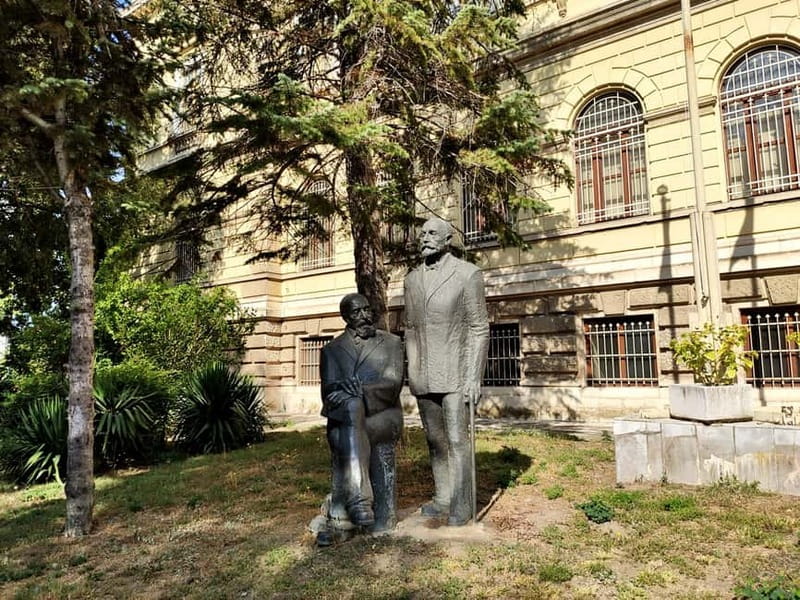
The meeting point is at 9000 Varna, 41 Maria Luisa Blvd. I like that the address is specific, because it makes it easier to plan a simple route from wherever you are staying in Varna.
Entry includes skip-the-line access via express elevators. In real life, that small detail saves your energy for the part you came for. You can get into the exhibition halls faster and spend less time waiting around.
You will be part of a private group, and there is a host or greeter available in English, Bulgarian, and Russian. That is handy if you need help getting oriented with your e-guide setup or you want a quick clarification before you start.
The Permanent Exhibition Walk: From Early Paleolithic to Bronze and Iron Ages
The permanent displays are arranged chronologically. So you get a sequence of periods, rather than a random mix of ancient stuff.
Here is the useful way to think about it. Early on, you are looking at evidence connected to very early human presence in the region, including items dating back to the Early Paleolithic Age. As you move forward, the museum shows how society changes, both through what people made and how they lived.
Later sections bring in findings from the Bronze and Iron Ages. That shift is not just about “newer” objects. It is about how technology, trade, and social organization tend to show up in the things people leave behind.
If you like museum visits that have structure, this one does. You can follow the timeline, and your brain builds a story as you walk from hall to hall.
A gentler use of the second half of a Varna day:
- The OFFroad Adventure
★ 4.5 · 151 reviews - Full-Day Small-Group Tour of Bulgaria by Minivan with Lunch
★ 5.0 · 59 reviews - Bulgaria Cycling Day Tours – country & sea
★ 5.0 · 51 reviews - Varna: Guided VIP Tour
★ 4.8 · 42 reviews
Highlights You Should Not Miss: Tombstones, Jewelry, Surgical Tools
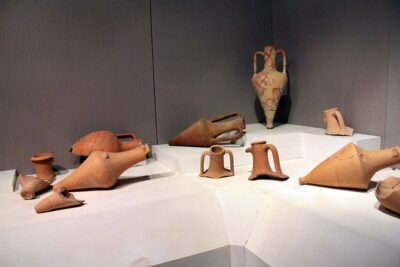
The standout strength here is the variety of what you get to see. You are not limited to pretty artifacts. You also see evidence of everyday life, burial traditions, and specialized work.
You should plan time for tombstone material and burial evidence like skeletons. These pieces often hit harder than gold jewelry because they connect directly to individuals and the realities of death and commemoration.
Jewelry is a big draw, and it is not just there for decoration. When you see it alongside other artifacts, it starts to make sense as a signal of identity, craftsmanship, and status.
One of the more surprising categories includes surgical tools. That is the kind of object that changes how you see an ancient culture. It suggests practical knowledge and specialized care, not just survival-level existence.
You will also see hunting equipment and other everyday tools. That combination is important because it shows a society that organized labor, made gear for survival and activity, and developed skills that left durable traces.
If you love the feeling of “I can picture this life,” these are the sections to target first.
The Building, the Indoor Garden, and the Feel of the Visit
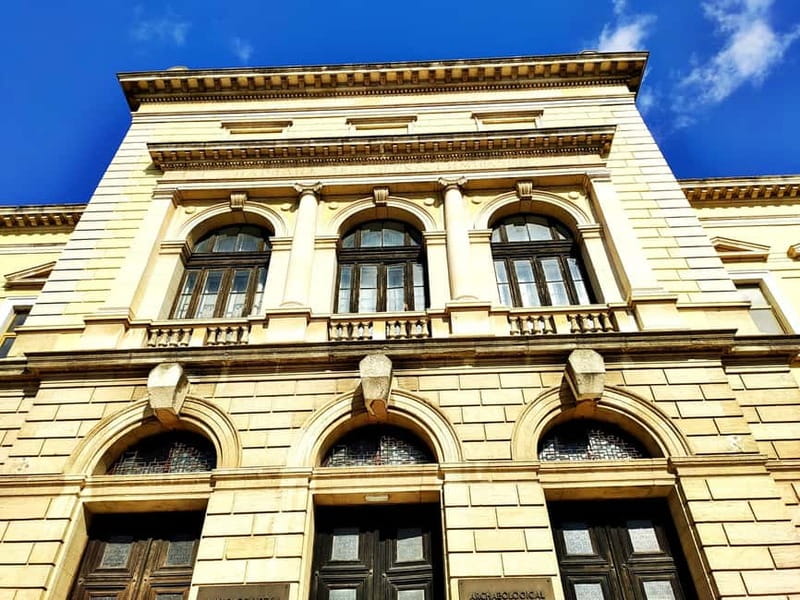
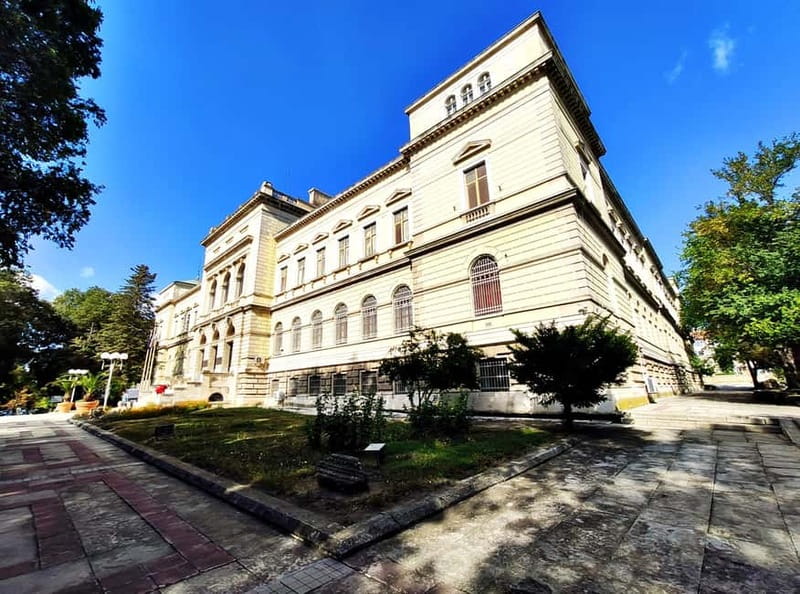
The museum building itself has a strong reputation, and it shows. Even before you get deep into the exhibits, the overall setting feels like it was built for serious display, not just storage.
Still, there is one detail to set expectations: the indoor garden area can feel less appealing than the galleries. It is not a deal-breaker, but if you are using the museum space as a calm break between halls, it helps to know the vibe may not be as pretty as the rest.
So I suggest you treat the museum like a focused route. Get your intro, then go straight into the permanent halls. If you need a pause, you can take one, but don’t build your plan around the garden.
Language Reality Check: English, Bulgarian, Russian, and What the E-guide Fixes
The host or greeter is available in English, Bulgarian, and Russian. The e-guide is also designed for use on your devices, and those same language options are part of the setup.
Here is the practical part. Some descriptions inside the exhibition halls may be only in Bulgarian. If you read Bulgarian well, great. If not, you can still get a lot out of the visit by leaning on the e-guide for the context.
This is also why the museum works so well for people who want structure. Even if a label is not in your language, the e-guide can keep your understanding moving in the right direction.
A small note based on what many visitors tend to notice: if you want everything to be perfectly readable at a glance, be aware that not every written card may match your language. It is not a problem for everyone, but it is worth planning for.
Photos, Fees, and Other Practical Tips That Save Time
Photo rules are strict. Photos in the exhibition halls are allowed only after paying a fee. Before you start photographing, I recommend you stop and confirm the current policy at the museum so you do not get surprised mid-hall.
Also, plan around what you are allowed to bring. Pets are not allowed, and food and drinks are not allowed inside.
Wheelchair accessibility is supported, which is good if you want an easier route through the halls. Express elevators are included for faster entry, and that kind of efficiency usually helps everyone, even if you do not need mobility support.
If you are traveling with a small group, the private group format can make the experience feel smoother because you are not trapped in a big herd. Just remember it is still self-guided, so you will want to use the e-guide actively rather than letting it sit on your phone.
Price and Value: What $22 Buys You in Real Museum Time
At about $22 per person, the value is strongest if you use the full advantage of the e-guide and the chronological galleries.
You are paying for two things: entry into the permanent exhibition and the personalized e-guide. That pairing matters because museums can be hit-or-miss without context. Here, the guide is designed to help you understand what you are looking at, especially across long time periods.
It also helps that the museum focuses on the permanent collection rather than relying on temporary exhibits. Since temporary exhibitions are not included, your ticket is more predictable. You are buying access to the backbone of the museum.
How to judge value for yourself: if you usually love museums but get impatient with empty labels, you will likely feel good about this price. If you prefer quick photo stops and do not use guides, you might feel it is pricier than it needs to be.
Who This Experience Fits Best
This is a great match for you if you:
- Want a museum visit with a clear timeline from ancient prehistory to Bronze and Iron Age finds
- Like to learn, but you prefer learning at your own speed
- Enjoy practical artifacts, not just ceremonial objects, with categories like tools, jewelry, and surgical items
- Want a self-guided experience with an e-guide so you are not forced to follow a script
It is also a strong option if you are in Varna and want something more substantive than a short city stroll. A full day works well here because the museum content spans huge time periods and you will naturally spend longer in the sections that interest you most.
Book or Skip: My Recommendation
Book this if you want a structured, self-guided museum day that teaches you what Varna and the surrounding region looked like across thousands of years. The e-guide plus the chronological layout make it easier to turn a hall of objects into a real story.
Skip it only if your main goal is temporary exhibitions, since they are not included. Also consider skipping or going with lower expectations if you strongly rely on in-hall labels being in your language, because some descriptions may appear in Bulgarian only.
If you like archaeology that mixes burial evidence, everyday tools, and skilled crafts, this ticket is a solid use of your time in Varna.
Written up most recently in Varna
- Private Cape Kaliakra & the Balchik Botanical Gardens from Varna★ 5.0 · 3 reviews
- Varna Echoes: Flavors, Footsteps, Tales & Wine tasting★ 5.0 · 3 reviews
- Varna Vibes Adventure & Wine Tasting★ 5.0 · 3 reviews
- Full-Day Private Sightseeing Tour to the North of Varna★ 5.0 · 4 reviews
- Infinity spa★ 4.5 · 4 reviews
- Bulgarian Village Local Evening and Dinner★ 4.0 · 4 reviews
- 15 Min Of Go Karting★ 4.5 · 4 reviews
- Varna Exquisite Wine Tasting★ 5.0 · 5 reviews
Museums, compared.

Admission Ticket to the Museum of Illusions in Sofia
Read our review →
Rila Monastery and Optional Museum, Cave or Spa
Read our review →
Museum of Socialist Art and Buzludzha Monument Tour
Read our review →
Admission Ticket to Illusions in Museum in Veliko Turnovo
Read our review →
Old Town Guided Walking Tour & Audioguide & Museum
Read our review →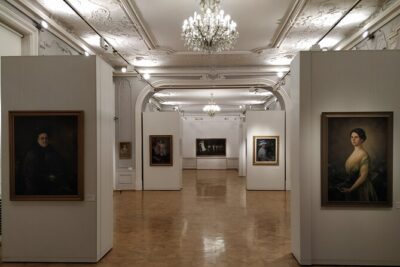
Self-guided tour in Varna Archaeological Museum + ticket
Read our review →Browse the lists this tour appears in