
Reviewed · BOYANA CHURCH TOURS
Sofia: Full-Day City Tour including UNESCO Boyana Church
Sofia is interesting because in one day you can watch the city stack cultures on top of each other, from Roman Serdika to Bulgarian and Byzantine layers. I especially like the UNESCO Boyana Church stop, and I also like that the day starts with the National History Museum so you get the timeline before you walk the center. The main drawback is simple: this is a lot of walking, so it is not a great match if you have mobility impairments.
What I like about this route is how it uses short transit to buy you time, then turns the rest into a gentle but meaningful stroll. You’ll get an English-speaking guide throughout, and on past departures guides like Billie and Chris have kept the pace unhurried while explaining history in a way that actually sticks.
One more practical note: meals and drinks are not included, so you will want a snack plan. If you hate being rushed, build in time for bathroom breaks and water on the walking portion.
Key Things to Know Before You Go
- UNESCO Boyana Church frescoes: you get the why behind the proto-Renaissance artwork, not just a quick glance.
- National History Museum in Todor Zhivkov’s former residence: history shows up in the building as much as the exhibits.
- A focused walking loop through Sofia’s power and culture: Parliament, theaters, cathedrals, and older churches all in one day.
- Ancient Serdika ruins are part of the route: Roman-era traces show up right in the modern city center.
- A/C transport plus entrance fees: you pay for the guided experience and avoid extra add-ons during the day.
- Traventuria’s biodiversity certification: the operator ties the tour model to a tours-with-a-cause approach.
Why Sofia Works for a One-Day UNESCO and Roman Ruins Mix
Sofia is one of those cities where the layers are visible, even when you are standing on the sidewalk. The Thracian tribe Serdi first founded the area, and in 29 A.D. Sofia became the Roman capital of the province of Inner Dacia. Later, it mattered in Byzantine and Bulgarian empires, and under the Ottomans it was the center of Rumelia.
This full-day tour earns its keep because it does not treat those eras like trivia. You start with a museum that sets the timeline, then you see Boyana Church with enough context to appreciate why UNESCO matters. After that, you walk through central Sofia where religious sites, civic buildings, and older remains sit close enough to make you feel the city layers in real time.
I also like that it is not trying to cram in everything. You get one solid museum morning, one signature UNESCO visit, and a calm afternoon route, so you can actually pay attention.
More City Tours in Sofia
- Sofia: City Monuments Guided Walking Tour with Audio Guide
★ 4.5 · 825 reviews - Private city walking tour of Sofia
★ 5.0 · 141 reviews - Sofia Walking Private City Tour
★ 5.0 · 127 reviews
Meet at Vasil Levski Monument, Then Let the A/C Ride Set the Tempo
Your day begins at the Vasil Levski Monument, at the Embassy of Slovakia. That is a helpful anchor point because you know exactly where to be before the bus leaves, and it keeps the morning from turning into a scavenger hunt.
Once you meet your group and English-speaking guide, you transfer to the National History Museum. Having modern A/C matters in Sofia because weather swings can be real, and that short ride helps you arrive fresh enough to enjoy the museum without feeling overheated or rushed.
The rest of the day is designed for walking. Wear comfortable shoes, because the afternoon stroll moves through a chain of landmarks. If you prefer minimal walking or need step-free routes, this is the wrong fit since the tour is not suitable for people with mobility impairments.
National History Museum: Todor Zhivkov’s Residence and the Big Timeline
The National History Museum sits in the former residence of Todor Zhivkov, located on the outskirts of Sofia. That detail changes the tone of the visit. You are not only looking at artifacts, you are stepping into a building tied to communist leadership, which quietly adds another layer to what you learn.
Inside, you get a guided tour of the museum collection with special attention to key dates, facts, and exhibits. This is the part of the day that makes the rest click. When you later see Bulgarian Orthodox churches, civic buildings, and the traces of Serdika, you are not working from guesswork. You have a framework for how Sofia went from Roman capital to Ottoman administrative center to the restored Bulgarian capital in 1879, when the population was about 12,000.
I like this approach because it respects your attention. Instead of dumping random landmarks, it gives you the storyline first, then shows you how the city made that story visible over time. It also helps you catch details you might otherwise miss in places like the St George Rotunda, or the ruins dating from the 5th to 6th century.
Boyana Church UNESCO: Proto-Renaissance Frescoes Under UNESCO
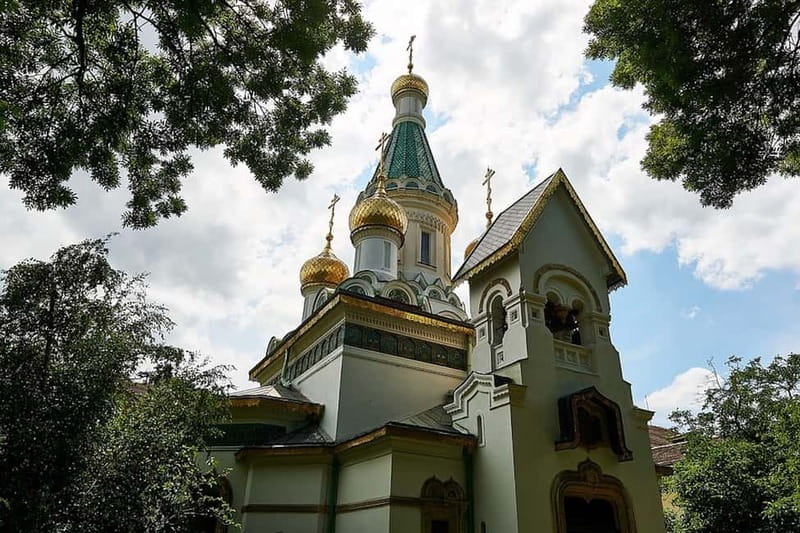
After the museum, the tour moves to the nearby Boyana Church. This is the headline stop, and the reason it is worth planning for your one big UNESCO moment.
Boyana Church is globally important for its proto-Renaissance frescoes. You do not need to be an art expert to appreciate why that matters. Your guide helps you understand what makes these paintings special and how that art connects to broader European developments, not just Bulgarian local culture.
I love that this visit is treated as more than a checklist stop. When you are guided through the meaning of the frescoes, the church becomes a time machine. And because the museum gave you historical context, the artistry lands in your mind as part of a long story, not as a standalone attraction.
One practical point: you will likely want to slow down at this stop and take your time. Frescoes reward patience, and rushing makes you look past the details that UNESCO is actually protecting.
More of the listed sites:
- From Sofia: Rose Valley Tour & UNESCO Site Kazanlak
★ 4.6 · 12 reviews - Hiking in Pirin- the UNESCO World Heritage Natural Park with a visit of Bansko
★ 5.0 · 10 reviews - UNESCO World Heritage Site Tour in Bulgaria
★ 5.0 · 3 reviews - From Sofia: Rila Monastery UNESCO Site & Outdoor Mineral Spa
★ 4.5 · 400 reviews
Walking Sofia’s Center: From Parliament and Cathedrals to St George Rotunda
The afternoon is built as a gentle walking tour of central Sofia, and that is a smart choice. Walking keeps you from feeling like you are just being transported between monuments. It also lets the guide point out the architectural mix, including the architectural style that became common around the turn of the century.
You’ll learn about key sights along the way, including:
- The National Library and Sofia University
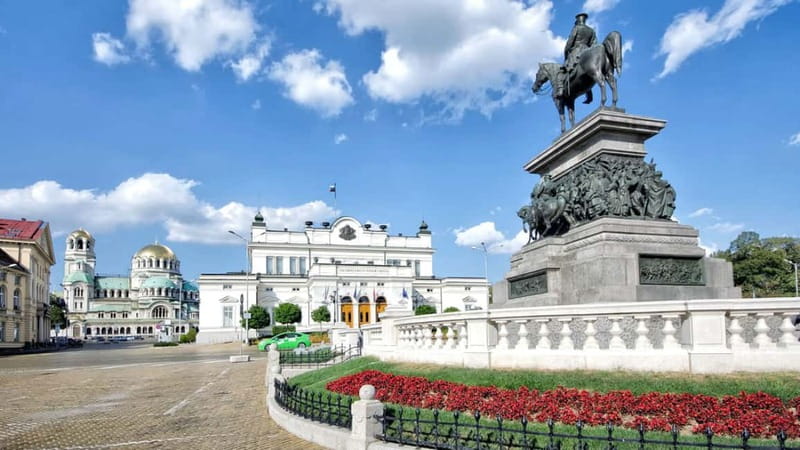
- The Parliament
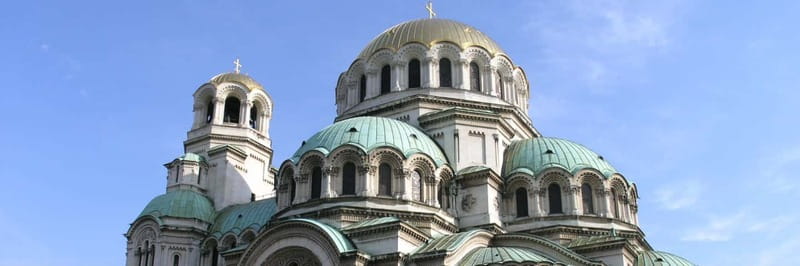
- The St. Alexander Nevsky Patriarchal Cathedral
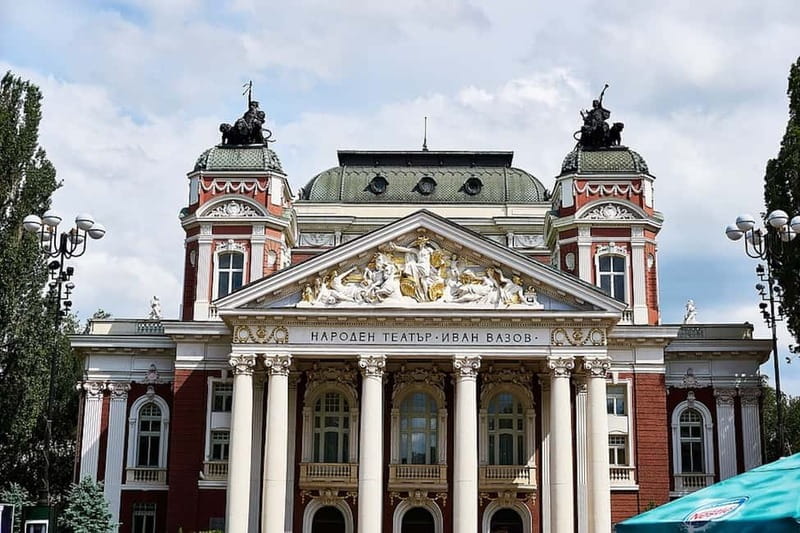
- The National Theatre
- St. Sofia Church
- Sofia’s oldest building, the St George Rotunda
- The houses of the Council of Ministers, the president, and the former communist party headquarters
- The National Palace of Culture
- The main shopping streets of Sofia
This list matters because it covers different kinds of “power.” Cathedrals and churches represent spiritual history, the theater and palace reflect cultural life, and Parliament and government buildings show civic identity. Adding the former communist party headquarters helps you see how twentieth-century governance shaped the city landscape.
On guided departures led by people like Billie and Chris, the storytelling tends to connect places to bigger patterns. That is why the walk feels coherent instead of random sightseeing. It also helps you notice contrasts, including the way communist-era decisions affected what had already existed before.
Ancient Serdika Ruins in the Middle of Modern Sofia
One of the best parts of this kind of city walk is when you suddenly realize the Roman past is not far away. The tour includes the ruins of the ancient city of Serdika, dating from the 5th to 6th century.
Standing near ruins inside a modern capital can feel surreal in a good way. Sofia has been a trading center across multiple empires, so it makes sense that layers of settlement keep reappearing. This stop helps you feel that continuity, where roads and buildings are new, but the human presence underneath has long momentum.
I like this stop for two reasons. First, it adds a reality check that history is not only in books or museums. Second, it ties directly into the earlier museum timeline, which is why the order of the day works so well.
If you like archaeology but hate long, tiring museum sessions, this is a nice middle ground. You get a guided explanation without turning the day into a marathon.
Price and Value: What $113 Buys You in a 7-Hour Day
At $113 per person for about 7 hours, the value depends on what you would otherwise pay and how you like to travel.
Here’s what your money covers:
- An English-speaking guide throughout
- Entrance fees
- Transportation with a modern vehicle equipped with A/C
- Entrance fees for Boyana Church and the National History Museum
Meals and drinks are not included, so you still need to budget for food during the day. But you do not have to worry about ticket logistics for the two main indoor stops. That is a real convenience factor in a compact schedule like this.
I think this price makes sense if you want a guided day rather than self-planning. The tour gives you context, pacing, and interpretation, especially for Boyana’s proto-Renaissance frescoes and for the museum’s focus on key dates. If you enjoy learning while walking, you’ll get more out of it than if you only want photos and quick sights.
Practical Tips for a Smooth 7 Hours in Sofia
A few small choices can make your day much easier.
First, bring a passport or ID card. The tour information is clear on that requirement. Second, pack for walking. Comfortable shoes are strongly recommended, and this tour is not designed for step-free travel.
Third, plan a snack or simple meal option. Since meals and drinks are not included, you might feel hungry during the center walk if you assume there will be a meal stop.
Finally, think about your expectations for the museum and church. This is a guided experience, so you will get the main story and key facts, but you still want to leave space for lingering. Boyana Church and the frescoes are the kind of stop where a calm pace helps.
Should You Book This Sofia UNESCO and City Tour?
Book it if you want one well-paced day that connects Sofia’s history to what you can see on the street. The combination of the National History Museum, Boyana Church UNESCO, and a guided center walk through major landmarks and the Serdika ruins is a smart way to understand the city without hopping between unrelated attractions.
I’d skip it (or choose a different plan) if you need mobility-friendly routes, because the tour is not suitable for people with mobility impairments. And because meals and drinks are not included, make sure you are comfortable managing food on your own.
If your travel style is hands-on and story-driven, this is exactly the kind of day that turns a city from a list of stops into a place with layers you can actually feel.
FAQ
How long is the Sofia full-day city tour?
The duration is 7 hours.
How much does the tour cost?
The price is $113 per person.
Where do I meet the tour?
The meeting point is Vasil Levski Monument (Embassy of Slovakia).
What language is the tour guide?
The tour includes an English-speaking live guide throughout.
What is included in the price?
The tour includes transportation with a modern A/C vehicle, entrance fees, and the English-speaking guide.
What is not included?
Meals and drinks, as well as personal expenses, are not included.
Is Boyana Church included?
Yes, Boyana Church is included as a stop, along with entrance fees.
Is the National History Museum included?
Yes, the National History Museum is included, including the entrance fees.
What should I bring?
Bring a passport or ID card, and comfortable walking shoes are recommended.
Is the tour suitable for people with mobility impairments?
No, it is not suitable for people with mobility impairments.
More Full-Day in Sofia
- From Sofia: The Seven Rila Lakes Full-Day Hiking Tour
★ 4.7 · 923 reviews - From Sofia: Full-Day Tour to Rila Monastery with Options
★ 4.5 · 479 reviews - From Sofia: Rila Monastery and Plovdiv Town Full-Day Trip
★ 4.8 · 382 reviews - From Sofia: Belogradchik Rocks & Venetsa Cave Full-Day Tour
★ 4.8 · 354 reviews
Other Trips That Take In Boyana
- From Sofia: Rila Monastery & Boyana Church Day Tour
★ 4.7 · 5,107 reviews - From Sofia: Must-See Rila Monastery & Boyana Church Day Tour
★ 4.6 · 3,322 reviews - Rila Monastery and Boyana Church Full-Day Tour
★ 4.5 · 918 reviews - From Sofia: Rila Monastery & Boyana Church Day Tour
★ 4.5 · 866 reviews
Written up most recently in Sofia
- Small Group Tour to Belogradchik Fortress&Venetsa Cave from Sofia★ 5.0 · 3 reviews
- Private Sofia Half Day Eco Tour★ 4.4 · 3 reviews
- Rila Mountain Winter Day Trip★ 5.0 · 3 reviews
- Private Winter Day Trip to the Rila Mountain★ 4.5 · 3 reviews
- Lovech, Devetashka cave and Krushuna waterfalls★ 5.0 · 3 reviews
- From Sofia The Beauty of the Countryside and a Homemade Lunch★ 5.0 · 3 reviews
- Bulgaria and Serbia Full Day Tour from Sofia★ 5.0 · 3 reviews
- Private tour to Rila monastery, Wine degustation, Boyana church★ 4.5 · 3 reviews
Boyana Church Tours, compared.
Must-See Rila Monastery & Boyana Church Day Tour
Read our review →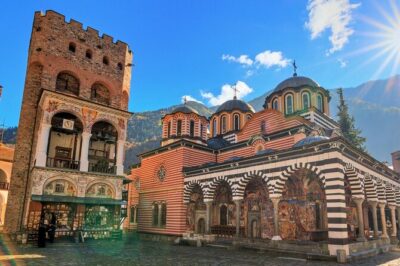
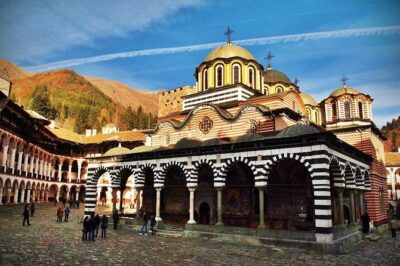
Private Day Trip to Boyana Church and Rila Monastery
Read our review →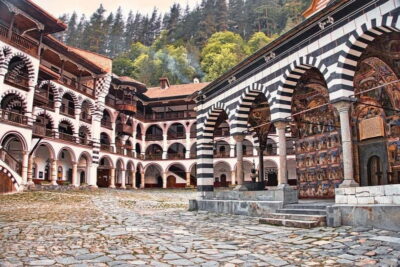
Rila Monastery & Boyana Church – Audio guided tour
Read our review →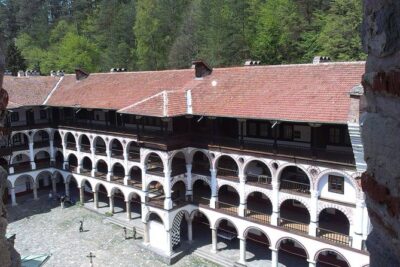
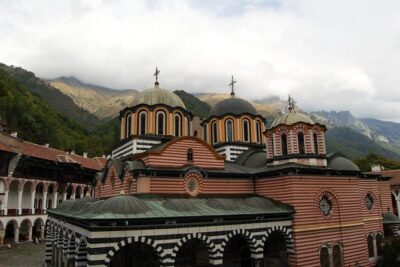
Rila Monastery and Boyana Church Self-Guided Day Trip from Sofia
Read our review →Browse the lists this tour appears in