
Reviewed · HISTORICAL TOURS
Bulgarian Food tasting, cullinary-historical tour, Cooking class
If you like food that feels tied to a real neighborhood, this Sofia class is a great fit. You start with a morning look around key spots, then you head into the kitchen to cook three typical Bulgarian dishes, and you finish by eating what you made as part of a sit-down meal.
What I like most is the personal touch. The menu is shaped around your cooking skills and your preferences, so you are not stuck forcing yourself through unfamiliar steps. I also love that it mixes practical learning with context, you will pick ingredients at the Women’s Market when conditions allow, and you get explanations along the way.
One consideration: the pace is long, about 6 hours, and if you are a solo diner you might end up with portions that feel made for sharing rather than one person.
Key Things You’ll Notice Right Away
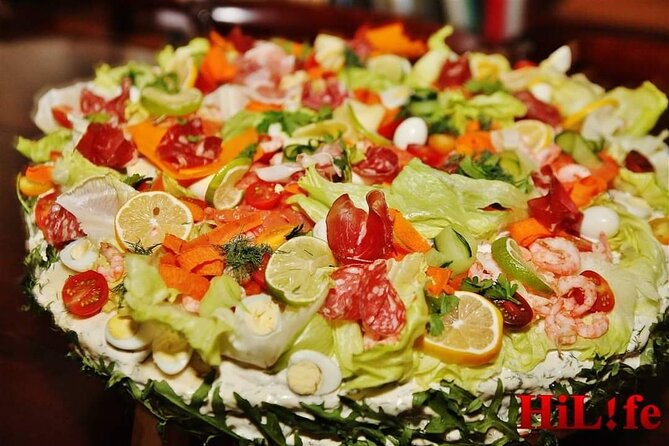
- Menu tailored to you so you cook 3 dishes that match your level and tastes
- Zhenski Pazar ingredient walk when weather is fine and it is a working day
- Hands-on technique practice like dough work and basic knife skills
- A real Sofia sequence with stops that connect food to place, including Saint Nikolas Russian Church
- Multiple meal moments with lunch or dinner tasting after cooking
- Small practical details like a second-floor kitchen and a cat on site
Why Sofia Food Starts at the Market and Ends in the Kitchen
This tour works because it treats food like something you can understand with your hands. You do not just watch. You shop for ingredients when the weather cooperates, and then you cook in a real kitchen with equipment provided.
I also like that the approach is very practical. You learn dishes like burek, dolmas, and baked pot meals that show how Balkan cooking leans on technique and comfort. And you get an actual meal out of it, not just a few bites.
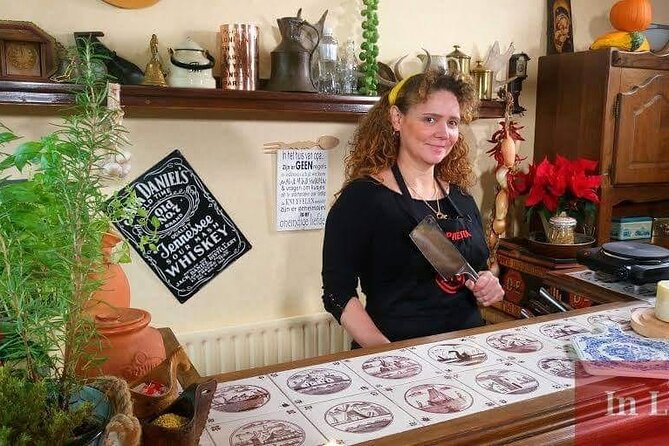
The best part is that it is not a one-size-fits-all menu. The cook, Mariela, builds the three dishes based on your cooking ability and what you want to eat. That matters, because Bulgarian cooking includes pastries, rolled dishes, and baked specialties, and not everyone wants to tackle the same style on day one.
More Historical Tours in Sofia
- Full-day Nis and Serbian History Tour from Sofia
★ 4.5 · 90 reviews - Sofia: History and Heritage – Small Group City Tour
★ 5.0 · 84 reviews - Sofia Communist History 2-Hour Tour in a Classic Trabant
★ 5.0 · 45 reviews
Meeting Point and How the 6-Hour Flow Really Works
You start at Church of St. Nicholas the Wonderworker in Sofia Center (bul. Tsar Osvoboditel 3) at 9:00 am. The tour ends back at the meeting point, so you are not left figuring out transit at the end.
Pickup is offered. If you would rather, you can meet directly at the subway metro station Luvov Most. That is a nice option if you are staying near transit lines.
Plan for a day that feels more like a full cooking outing than a quick tasting. The experience is listed as about 6 hours, and in practice it can run long if you include grocery shopping and then sit down for the tasting meals. If you have tight evening plans, give yourself breathing room.
Zhenski Pazar Women’s Market Stop: Ingredients With Stories Attached
When the weather is fine and it is a working day, you do grocery shopping together at Zhenski Pazar Women’s Market. Even if you only stay for a short ingredient loop, this stop adds real value because it connects what you cook to what Sofia cooks buy.
Here is what you get from a market visit in a class like this:
- You learn which Bulgarian products are used in everyday cooking.
- You get tradition and usage context, so ingredients make sense beyond a recipe card.
- You can ask questions while you are standing in front of the goods, which is easier than guessing later in the kitchen.
One drawback to keep in mind: the market shopping is dependent on weather and schedule. If it is not feasible, you will still cook, but you might miss that extra ingredient and culture layer.
Saint Nikolas Russian Church and Sofia Center: Why the Stops Matter
You will also visit Saint Nikolas Russian Church and spend time in Sofia Center. This is not just sightseeing for sightseeing’s sake. In a food class, place matters because it shapes what ingredients feel normal, what foods feel “everyday,” and what meals feel like they belong together.
A typical pattern works well here:
- Stop, look, and orient.
- Connect what you see around you to what you are about to cook.
- Move with the group so the timing stays smooth.
I find this kind of “micro orientation” helpful. Even if you already know Sofia, it sets the day’s theme: Bulgarian food is not floating in a vacuum, it is linked to neighborhoods and daily routines.
A gentler use of the second half of a Sofia day:
- From Sofia: Rila Monastery & Boyana Church Day Tour
★ 4.7 · 5,107 reviews - From Sofia: Must-See Rila Monastery & Boyana Church Day Tour
★ 4.6 · 3,322 reviews - From Sofia: Guided Day Tour of Plovdiv’s Must-See Sights
★ 4.6 · 1,688 reviews - From Sofia: 7 Rila Lakes and Rila Monastery Extended Trip
★ 4.7 · 1,189 reviews
The Cooking Class With Mariela: 3 Dishes Tailored to Your Skill
The cooking portion is the heart of the experience. You learn to cook three typical Bulgarian dishes, and Mariela builds the menu based on:
- your cooking skills
- your personal preferences
That tailoring is a big deal. Bulgarian dishes range from flaky pastry work to meat-and-stew styles to pumpkin pastries, and not everyone wants the same level of complexity. When the menu matches your comfort zone, you actually learn the method, not just get through the steps.
You will also practice with kitchen equipment provided. So you are not showing up wondering if you need to bring tools. You just show up ready to cook.
A small real-world detail you should plan for
The kitchen is on the second floor, and there is no elevator. Also, there is a cat in the kitchen. If you have allergies or you simply do not like animals, it is best to inform Mariela in advance.
What You Might Cook: The Bulgarian Classics on the Menu
You asked for a comprehensive review, so here is a clear picture of the dishes that commonly show up for this style of class. The final lineup can vary, but these are the sample menu ideas provided.
Burek (cheese pastry)
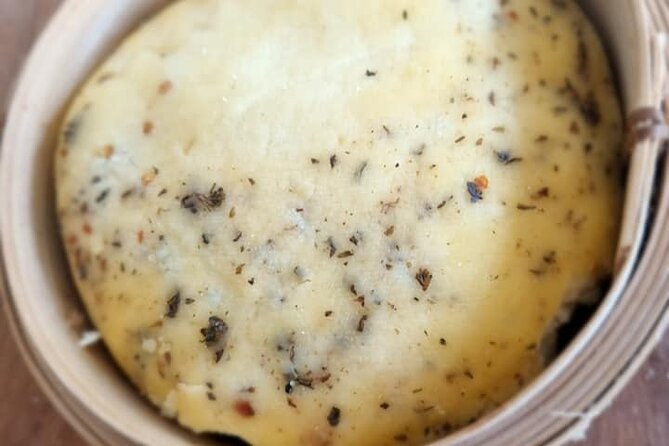
Burek is a staple when you want to understand Bulgarian pastry comfort food. Expect a focus on dough and assembly, usually with a cheese filling. It is a good choice if you want to learn structured handling, you can see the shape and result clearly.
Dolmas (cabbage with meat)
Dolmas are rolled or stuffed cabbage style, with meat as written in the sample. This is where you learn portioning and filling technique. It is also a dish that helps you understand why slow, careful cooking is such a Balkan theme.
Gyuvetche (hot pot)
Gyuvetche is a baked hot pot style, with meat or vegetables. Hot pots are valuable to learn because the method teaches you how flavors develop while food cooks undisturbed.
Tikvenik (pastry with pumpkin)
Tikvenik is a pumpkin pastry. Desserts and breakfast pastries like this are a good reminder that Bulgarian cooking is not only savory. You get a sweet element that still feels grounded in local ingredients.
Meshana skara (grilled meat)
Meshana skara is grilled meat. This one adds contrast to the heavier baked items. You get a sense of how the cuisine switches gears depending on the dish and season.
Kavarma (meat baked in a pot, covered with omelette)
Kavarma is a pot meal covered with omelette in the sample description. This teaches a specific kind of cooking logic, a covered pot creates tenderness and concentrates flavors.
Mekitzi (cousin of Hungarian langos)
Mekitzi is the cousin of Hungarian Langos, and it is eaten for breakfast or dessert, with honey or with feta cheese. If you like hands-on frying or dough-based treats, this is often the kind of dish people remember.
Eating What You Made: Lunch, Brunch, and Dinner Tasting
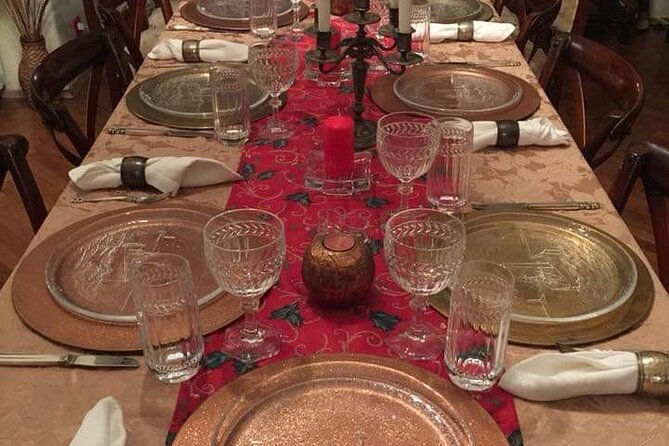
After the class you will have food tasting as lunch or dinner. The experience also lists lunch, brunch, and dinner as included. So you can expect multiple eating moments across the day.
This matters more than it sounds. When you eat what you cook right after learning it, the food teaches you. You notice texture, salt levels, and how flavors balance when you are not taking the dish home cold and unsure.
I also find that this format makes it easier to judge whether you want to recreate something later. You can taste, think, then adjust in your mind.
What You Learn Beyond Recipes (and Why It Sticks)
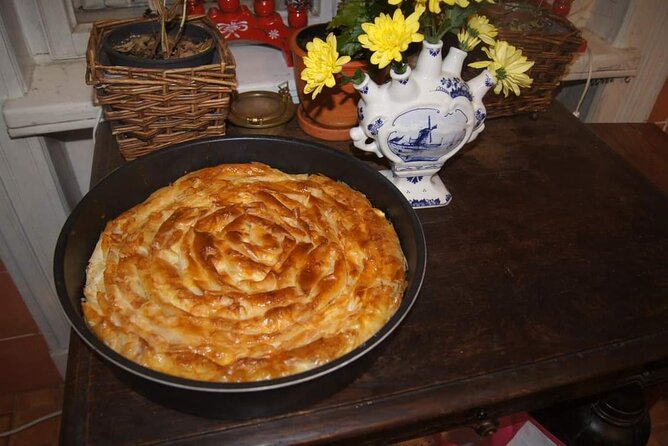
A cooking class is not just about which dishes you make. It is about technique transfer. Even when you only cook three dishes, you often leave with skills you can reuse.
Here are the types of learning that show up in this style of class:
- pastry handling, including building and shaping stuffed dough
- rolling and portioning skills for dolmas-style items
- pot cooking logic, where the method does part of the work for you
- basic knife confidence, including clean slicing technique
One review detail that is worth taking seriously: onion slicing is mentioned as something people learn and enjoy practicing. Even if you already cook at home, small improvements like faster, cleaner slices help future meals a lot.
Also, the kitchen mentor side is real. Mariela comes across as patient and generous with guidance, and she also shares stories as she teaches. That makes the class feel like a cultural day out, not a technical drill.
Value and Price: Is $138.18 Worth It?
At $138.18 per person for about 6 hours, this sits in the midrange for Sofia cooking experiences. Here is why it can still feel like good value:
- You get three cooked dishes, not just tastings.
- Your food experience includes multiple meals (listed as lunch, brunch, dinner).
- You get ingredient context when market shopping happens.
- You get personal menu tailoring based on skill and preferences.
- The tour is private, meaning your group stays together for the whole day.
The tradeoff is you are buying time and attention. This is not a quick bite. If you only want a casual snack and a short walk, you might feel it is longer than you planned. But if you want a real food day where you learn and then eat, it is a strong deal.
Who Should Book This Sofia Class
This is a great fit if you:
- want hands-on learning of Bulgarian classics
- like meals that include both savory and pastry elements
- enjoy pairing food with a little place context around Sofia Center
- prefer a private, smaller group feel
It is also a good choice if you are a confident beginner. The menu can be adjusted to your cooking skills, and you are in a taught environment with equipment provided.
If you are very sensitive to animal presence, plan ahead because there is a cat in the kitchen. And if you have mobility limits related to stairs, note the second-floor kitchen and no elevator.
Before You Go: Practical Notes That Save Your Day
Here are the details that can affect your comfort and timing.
- Weather matters. Grocery shopping at Women’s Market happens only if weather is fine and it is a working day.
- Stairs only. The kitchen is on the second floor, no elevator.
- Cat in the kitchen. If you have allergies or prefer no animals, tell the host in advance.
- Drinks not included. Alcoholic beverages, soda/pop, and bottled water are not included. If you want them, budget for it.
- Solo travelers may notice portions. One solo participant mentioned that the dishes ended up larger than a single serving. If you are traveling alone, ask how portioning is handled for solo guests.
Also, service animals are allowed. If you have a specific need, contact the host during booking so you do not get surprised on arrival.
Should You Book This Bulgarian Food Tasting and Cooking Class?
If your idea of a great day in Sofia includes cooking something you can actually make again at home, this is a strong yes. The big selling points are the three-dish hands-on class, the fact that the menu is tailored, and the way the day is built to end with a real meal, not a token taste.
I would especially recommend it if you want Bulgarian food beyond stereotypes, with technique and ingredient learning built in. Just go in knowing it is a real time commitment, and check the practical items like stairs and the cat.
If that all sounds like your kind of travel, book it and plan your evening free. You will leave with dinner plans handled, plus skills you can carry forward.
FAQ
How long is the cooking class and food tasting in Sofia?
The experience is listed as about 6 hours.
What is the price per person?
The price is $138.18 per person.
Is pickup offered, and where do we meet?
Pickup is offered. You start at Church of St. Nicholas the Wonderworker in Sofia Center (bul. Tsar Osvoboditel 3). You can also meet directly at the subway metro station Luvov Most.
What language is the tour offered in?
The experience is offered in English.
How many dishes will I learn to cook?
You will learn to cook 3 typical Bulgarian dishes. The exact dishes depend on your cooking skills and preferences.
Does the experience include food?
Yes. Lunch, brunch, and dinner are included, along with the food tasting after the cooking class.
Are drinks included?
Alcoholic beverages, soda/pop, and bottled water are not included.
Is grocery shopping at Zhenski Pazar Women’s Market always part of the experience?
It is included when the weather is fine and it is a working day.
Is this a private tour?
Yes. It is a private tour/activity, and only your group participates.
What should I know about the kitchen before I arrive?
The kitchen is on the second floor with no elevator. There is also a cat in the kitchen, so let the host know in advance if you have allergies or do not like animals.
More Food in Sofia
- Sofia Food & Tasting Tour with Communist-Era Tram Ride
★ 5.0 · 35 reviews - Market Food Tour
★ 4.5 · 21 reviews - Sofia: 5-Stop Food & Culture Tour by Communist-Era Tram
★ 5.0 · 18 reviews - 3-Hour Private Bulgarian Food Tasting Tour of Sofia
★ 5.0 · 14 reviews
More Food & Drink in Sofia
- Sofia: Wine & Cheese Tasting Experience
★ 4.9 · 674 reviews - Wine Tasting in Heart of Sofia
★ 5.0 · 545 reviews - Sofia: Guided Tasting of Local Wines and Cheeses
★ 4.6 · 181 reviews - Sofia Afternoon Walking Tour with Wine and Food Tasting
★ 4.5 · 43 reviews
Written up most recently in Sofia
- Small Group Tour to Belogradchik Fortress&Venetsa Cave from Sofia★ 5.0 · 3 reviews
- Private Sofia Half Day Eco Tour★ 4.4 · 3 reviews
- Rila Mountain Winter Day Trip★ 5.0 · 3 reviews
- Private Winter Day Trip to the Rila Mountain★ 4.5 · 3 reviews
- Lovech, Devetashka cave and Krushuna waterfalls★ 5.0 · 3 reviews
- From Sofia The Beauty of the Countryside and a Homemade Lunch★ 5.0 · 3 reviews
- Bulgaria and Serbia Full Day Tour from Sofia★ 5.0 · 3 reviews
- Private tour to Rila monastery, Wine degustation, Boyana church★ 4.5 · 3 reviews
Historical Tours, compared.
Full-day Nis and Serbian History Tour from Sofia
Read our review →
Special History And Wine Tour including Wine Tasting
Read our review →
Sofia Communist History 2-Hour Tour in a Classic Trabant
Read our review →
Rila Monastery and St. Ivan Cave History & Nature Trip from Sofia
Read our review →
Private Sofia Half Day Tour with Boyana Church and National History Museum
Read our review →
Hiking in Pirin- the UNESCO World Heritage Natural Park with a visit of Bansko
Read our review →Browse the lists this tour appears in