Reviewed · FULL-DAY
Full Day Sofia Tour
Sofia can feel like a city you need a cheat sheet for. This tour gives you that, fast. I like the mix of major sights and the quieter, story-driven stops, and I especially like the small group size (up to 16) that keeps the day personal. The one thing to plan for is steady walking and a few shorter interior visits, so if you want long museum time on your own, you may need to add extra hours.
A big plus here is the guide. In the reviews I saw, people praised Lubo for calm, clear English and for going beyond facts into local stories, and one guest even noted he speaks French. You’ll be handed just enough context to understand what you’re looking at, whether it is a church carved into the city name or a façade packed with symbolism.
The day is built around classic Sofia highlights, plus UNESCO Boyana Church. One consideration: meals and drinks are not included, so you will want to manage your energy with water and a snack plan.
Key things I’d book this for
- Small group (max 16): more time to ask questions and get answers.
- Air-conditioned transport: comfortable between scattered central stops.
- Boyana Church UNESCO visit: focused time at one of Sofia’s most important heritage sites.
- Entrance included for key sites: you get tickets for Boyana Church and the National History Museum.
- Saint Sofia Church and Russian Church details: you see why locals care about these places.
- If you get Lubo: strong storytelling in English, and he is known to speak French too.
Getting Oriented at Vasil Levski Monument, then Alexander Nevski Cathedral
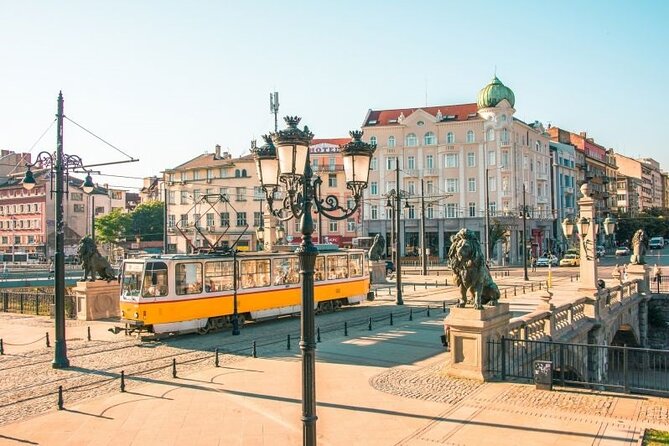
Your day starts at Vasil Levski Monument, just north of Alexander Nevski Cathedral. If you arrive early, take a minute to notice the “layout” of central Sofia from there. It makes later stops easier to track, especially when your guide starts tying buildings to eras and rulers.
From the start, the cathedral is framed in a way that helps you read it. You get a look from outside first, then you go inside with your guide. This matters. Alexander Nevski is famous for its size and style, but the real benefit on a guided visit is that you are not just staring at decoration. You are learning what was financed, how long it took, and why it became such a defining statement for Orthodox Bulgaria.
Practical tip: wear shoes you can walk in comfortably. This part is not an all-hopping, no-stops sprint, but you will still be on your feet.
A few more Sofia departures leaving the same week
- From Sofia: The Seven Rila Lakes Full-Day Hiking Tour
★ 4.7 · 923 reviews - Rila Monastery and Boyana Church Full-Day Tour
★ 4.5 · 918 reviews - From Sofia: Full-Day Tour to Rila Monastery with Options
★ 4.5 · 479 reviews
Neoclassical Theatre Front and the Palace-Museum Area
Next up is the neoclassical theatre building with a façade designed by Hermann Helmer and Ferdinand Fellner, two Viennese architects. The key here is symbolism. Your guide will point out figures and design choices that you would likely miss if you were just taking photos. It turns a pretty building into something you can actually interpret.
Then the tour heads into the palace zone where Sofia keeps its art and ethnographic collections. You will pass the space that houses the National Art Gallery and the National Ethnographic Museum, both located in the former Bulgarian king’s palace. And yes, there are human stories here, not just architecture.
One of the most interesting angles you are given is about the last Bulgarian monarch and what happened after the communist regime. You learn how political roles shifted so dramatically that the old line between ruler and government responsibilities blurred. It is the kind of context that makes museum walls feel less random and more tied to real lives.
What to expect time-wise: you are not trying to see everything in the palace complex. You are getting orientation, key highlights, and enough background to help you decide what you might want to return to later.
Saint Sofia Church, National Assembly, and the Russian Church’s Serafim Grave
This is one of the most meaningful segments, because it links Sofia’s name and identity to the city’s religious history.
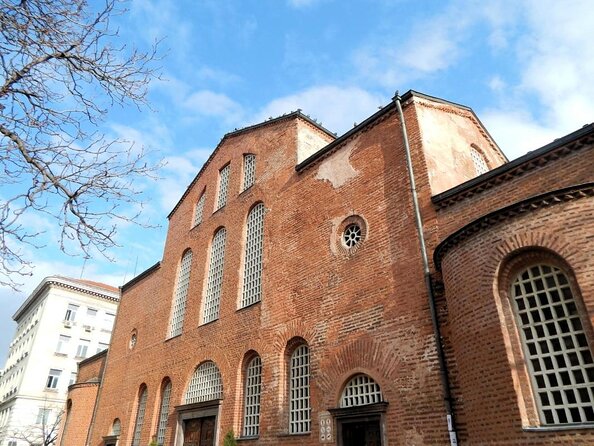
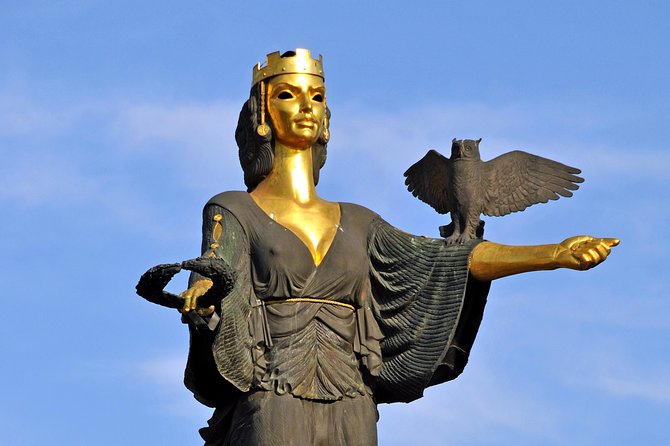
First comes Saint Sofia Church. This is the church that gave Sofia its name. You go inside with your guide, and that is where the story clicks. Even if you have seen churches in other Balkan cities, this one feels connected to the city’s origin rather than just its later growth. Admission for this stop is free, so it is a great place to spend extra attention without worrying about ticket costs.
From there, you move to the National Assembly of the Republic of Bulgaria, completed in 1886. It is described as a monument of culture for its historic significance. This is one of those stops where photos are easy, but a guide helps you understand why a building gets protected as part of national heritage, not just because it is pretty.
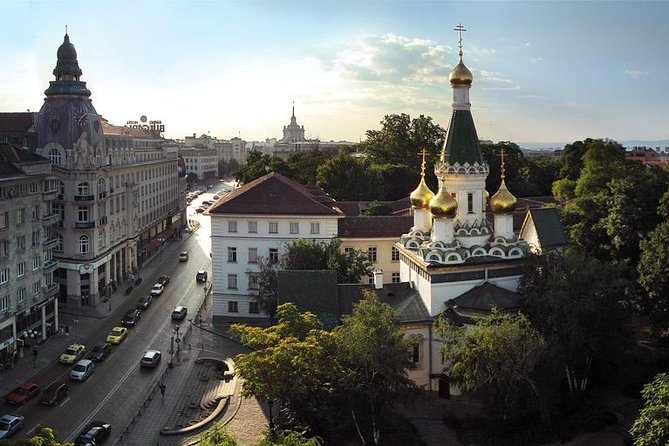
Then you visit the Russian Church in Sofia, known for its beauty. One detail that makes this stop memorable is the continued attention to Archbishop Serafim’s grave. People still visit, pray, and leave notes asking for wishes. Even if you are not there for the religious element, it helps you understand how living traditions persist inside major city landmarks.
TSUM and the Council of Ministers: a very Sofia kind of stop
After the church and government buildings, the tour shifts to something more everyday: TSUM, an iconic shopping center opened in 1956. It shares the same building as the Council of Ministers of Bulgaria.
That combination is fascinating because it compresses two sides of city life into one structure. You see how Sofia can be both formal and practical, with political importance one floor away from public routines like shopping.
This stop also works as a breathing point. You get a chance to reset after more intense historic sites. If you like to wander, this is the kind of location where you can step out and re-enter the Sofia rhythm without losing the tour flow.
One small consideration: since it is a major shopping hub, it can be busy. If you prefer quiet photo moments, go slower and let others pass first.
A gentler use of the second half of a Sofia day:
- From Sofia: Rila Monastery & Boyana Church Day Tour
★ 4.7 · 5,107 reviews - From Sofia: Must-See Rila Monastery & Boyana Church Day Tour
★ 4.6 · 3,322 reviews - From Sofia: Guided Day Tour of Plovdiv’s Must-See Sights
★ 4.6 · 1,688 reviews - From Sofia: 7 Rila Lakes and Rila Monastery Extended Trip
★ 4.7 · 1,189 reviews
Boyana Church UNESCO: frescoes from 1259 and the garden details
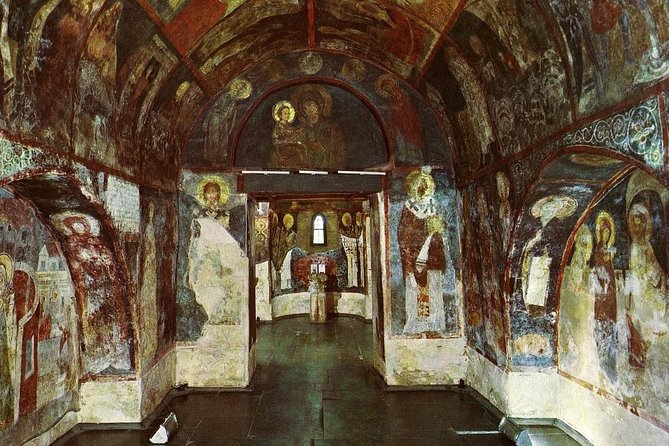
The day’s big heritage anchor is Boyana Church, the closest UNESCO site to Sofia’s city center. Your visit is brief but focused, with admission included and time set aside to see what matters most.
Here is the standout detail: Boyana Church is on the UNESCO World Heritage list largely because of its second layer of frescoes, dating to 1259. That is a specific, nerdy detail, in the best way. A guide helps you understand that the value is not only the fact that frescoes exist, but that you are seeing layers from different periods, like a visual history written on the walls.
In the reviews, one guest even pointed out the presence of a California Sequoia in the gardens near the church. If you are the sort of person who notices plants and landscaping, you might enjoy that small surprise as you wait for your next viewing moment.
Time-wise, plan for a short stop. The church is important, but this tour is structured as a day of multiple major areas, so you get enough to be impressed and oriented, not enough to do hours of study.
How the small group and air-conditioned vehicle shape the whole day
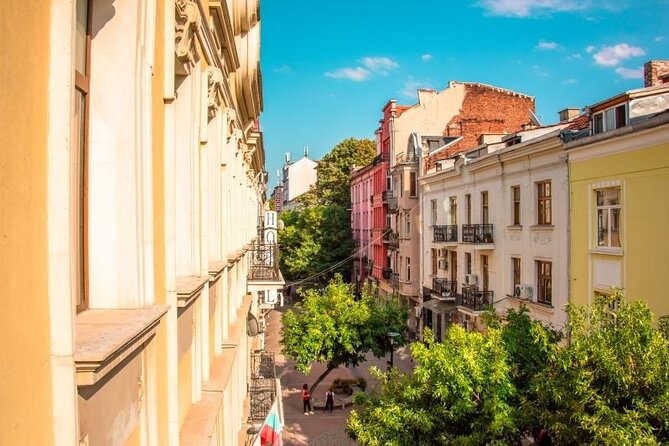
With a max of 16 travelers, this tour tends to feel controlled instead of chaotic. You are not stuck listening from the back while the guide tries to herd a crowd. You also get more flexibility when questions pop up, which is where a guided day earns its keep.
The air-conditioned vehicle is a real quality-of-life upgrade in a full-day program. Even if the weather is pleasant, Sofia can be a lot of walking plus movement between sites. Comfort between stops keeps you fresher for the parts that require attention, like church interiors and museum halls.
Also, since the tour includes a mobile ticket, you are not fumbling with paper. That might sound minor, but small frictions add up on a seven-hour day.
And the simple advice: bring comfortable walking shoes. This is a sightseeing day, not a sit-and-stretch day.
Price and value: what $115.59 buys you in practice
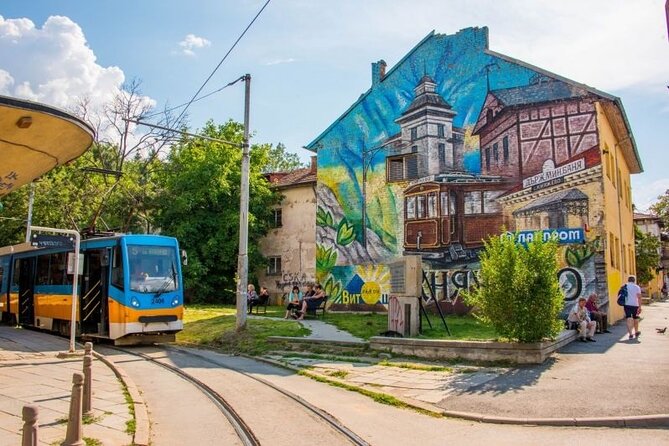
At $115.59 per person for about 7 hours, the best way to judge value is by what you avoid and what you get.
You get:
- An English-speaking guide throughout, which is a big deal when the sites are layered with meaning.
- Modern air-conditioned transport, so you spend less of your energy moving and more on looking.
- Included admissions for Boyana Church and the National History Museum.
You do not get:
- Meals and drinks.
So you are paying for convenience plus interpretation. In a city like Sofia, the guide factor often makes the difference between collecting photos and understanding why each stop matters. The included tickets also help. You are not paying out of pocket for the key heritage highlight and the history museum.
Is it the cheapest way to see Sofia? Probably not. But it is strong value for first-timers or anyone who wants a structured day without losing time figuring out routes.
If you are on a tight schedule, this is also a way to cover a lot of ground without feeling like you are sprinting.
Who this tour suits best, and who might want a different plan
This tour is a good match if you:
- Want to see major Sofia landmarks in one day.
- Prefer a guide to connect architecture to local stories.
- Like a day that mixes churches, government-era buildings, and museum-style stops.
- Appreciate short expert visits rather than long unguided wandering.
It may not fit you as well if you:
- Want extended museum time at a single location.
- Dislike walking between multiple central stops.
- Prefer to build your day around a single theme, like only churches or only museums.
One more thought: because the group is small and attention is better, it is a great fit for couples, solo travelers who like interaction, and travelers who enjoy asking questions.
Should you book this full day Sofia tour?
I’d book it if your priority is a well-guided, first-timer-friendly overview that still includes real heritage depth at Boyana Church. The day works because the guide is doing the hard part, turning landmarks into context you can carry into your own exploring later.
Skip it only if you know you want a long, slow museum day and you hate the idea of shorter visits across many sites. For most people, though, this is a smart way to spend seven hours in Sofia, especially with included tickets and a small group.
FAQ
What is the duration of the Full Day Sofia Tour?
It runs for approximately 7 hours.
Where does the tour start?
It starts at Sofia Center, bul. Yanko Sakazov 9, 1527 Sofia, Bulgaria, near Vasil Levski Monument.
What time does the tour begin?
The start time is 9:00 am.
Is this tour in English?
Yes, it is offered in English, with an English-speaking guide throughout.
What does the tour include for admission tickets?
Admission is included for Boyana Church and the National History Museum.
Are meals included?
No. Meals and drinks are not included.
Can I get a full refund if I cancel?
Yes, you can cancel up to 24 hours in advance for a full refund. If you cancel less than 24 hours before the start time, it is not refunded.
Written up most recently in Sofia
- Small Group Tour to Belogradchik Fortress&Venetsa Cave from Sofia★ 5.0 · 3 reviews
- Rila Mountain Winter Day Trip★ 5.0 · 3 reviews
- Private Sofia Half Day Eco Tour★ 4.4 · 3 reviews
- Private Winter Day Trip to the Rila Mountain★ 4.5 · 3 reviews
- Lovech, Devetashka cave and Krushuna waterfalls★ 5.0 · 3 reviews
- Bulgaria and Serbia Full Day Tour from Sofia★ 5.0 · 3 reviews
- From Sofia The Beauty of the Countryside and a Homemade Lunch★ 5.0 · 3 reviews
- Private tour to Rila monastery, Wine degustation, Boyana church★ 4.5 · 3 reviews
Full-Day, compared.
Belogradchik Rocks & Venetsa Cave Full-Day Tour
Read our review →