
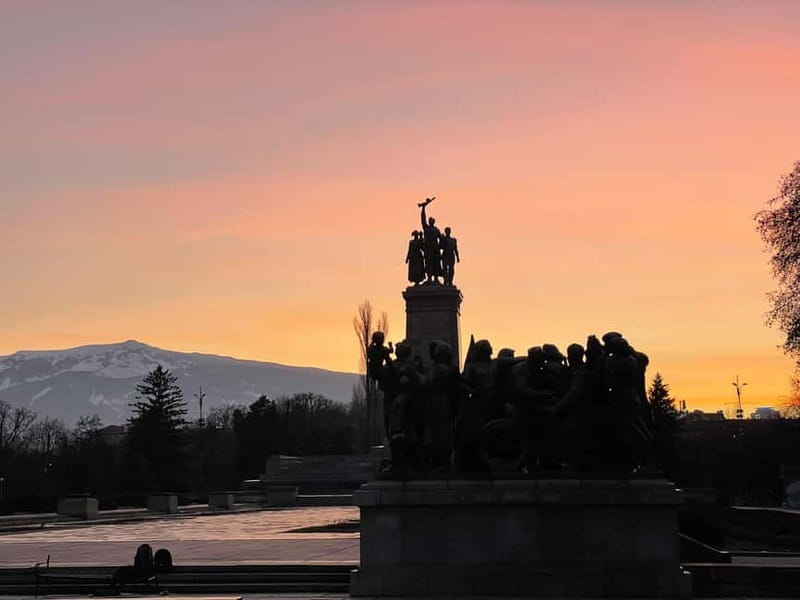
Reviewed · COMMUNIST HERITAGE TOURS
Sofia: Communist Walking Tour
Sofia’s communist-era streets are interesting because the ideology isn’t hidden behind glass. It’s written into buildings, monuments, and even the way today’s Sofia uses the same city spaces, often right next to older churches and government halls. I love how the tour explains both sides of the story, and I especially like hearing it through guides such as Daniel and Vasil, who keep the talk human and question-friendly. One consideration: the route is a 3-hour walk with moderate walking and it is not set up for wheelchair access.
What really makes this tour worth your time is the mix of big political events and everyday life, from wartime conditions to housing, religion, industry, and culture. You’ll see famous communist symbols, but you’ll also understand why Bulgaria’s experience felt different from other Cold War stories. If you’re sensitive to heavy topics like repression, you’ll want to be mentally ready, because the tour does cover the communist regime’s memorials and what people endured.
Key things to know before you go
- A guided 3-hour walk through Sofia’s communist period (1944 to 1989) ending at the National Palace of Culture
- Major landmarks on one route, including the former Communist Party headquarters area and a secret police investigation facility
- Classic architecture you can actually walk up to, like Hotel Rila and a 1950s Stalinist ensemble
- Religion and government in the mix, including a 13th-century Orthodox church and stops tied to state power
- A balanced feel, with guides known for presenting the upsides and downsides, not just slogans
A 3-hour walk through communist Sofia, with politics you can see
If you want a history tour that doesn’t feel like a lecture hall, this one is a solid bet. Sofia’s communist past is all around you, but it takes a good guide to connect the dots between what you’re seeing and how people actually lived. The tour gives you that link, so the city stops being a set of pretty buildings and becomes a story you can follow street by street.
I like that you get both the “why” and the “so what.” The guide frames how Bulgaria moved into communist rule after World War II, how the system worked in daily life, and why it collapsed in 1989. Just as important, the tour doesn’t treat the past like it ended cleanly, because you’ll also talk about how this era still shapes attitudes and public spaces today.
The overall pace is manageable for people with moderate fitness, but it is still outdoors walking. Plan for standing and moving between stops, and expect it to feel longer if you rush ahead and miss the explanations.
More Walking Tours in Sofia
- Sofia: City Monuments Guided Walking Tour with Audio Guide
★ 4.5 · 825 reviews - Communist Walking Tour of Sofia
★ 5.0 · 690 reviews - Sofia Highlights 2 Hour Sightseeing Walking Tour
★ 5.0 · 442 reviews
Starting outside Sofia City Court, then walking from power to propaganda
You meet outside the Palace of Justice, the big white building on bul. Vitosha 2, in Sofia Center, in front of two lion statues. It’s a great starting point because it puts you near modern state authority, and it sets up the contrast you’ll build throughout the walk.
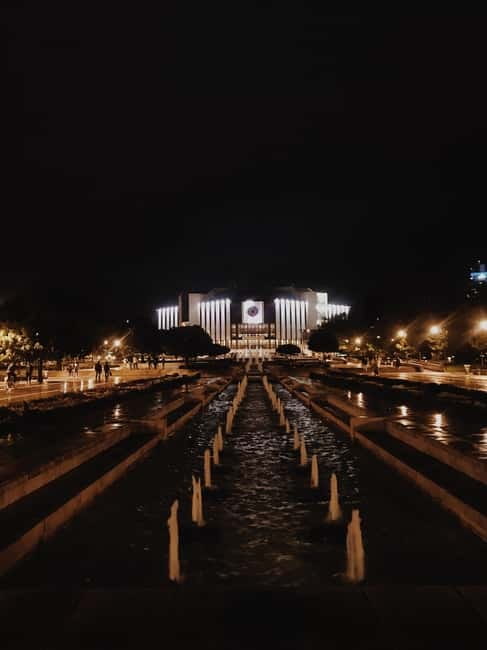
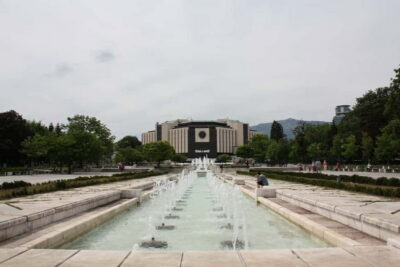
From there, the tour pushes you into the communist-era core of Sofia. You’ll move toward iconic sites connected to party rule and state control, then later toward more openly ideological monuments. The final stop is in front of the National Palace of Culture, a fitting ending point because it’s a huge landmark where architecture and public messaging meet.
This end-to-end structure helps you build a mental map fast. You’re not just “seeing sights,” you’re learning how Sofia’s official story got staged in stone, concrete, and ceremony.
Hotel Rila and the communist skyline, where architecture carries a message
One of the most memorable parts is the focus on architecture. Sofia built a lot of its communist identity in the mid-20th century, and you get to see that design language up close rather than only in photos.
Hotel Rila is one of the stops that anchors this. It’s part of the classic communist-era look people associate with socialist power and Soviet-era influence. The tour ties these buildings to the ideas of the time, so you’ll understand why “looking impressive” mattered to the system.
You’ll also connect this architectural style to a wider 1950s Stalinist ensemble. The point isn’t just that the buildings are visually distinctive. The point is that they were meant to project authority, order, and permanence, even when people’s day-to-day reality could be far more complicated.
If you like architecture, this section is where you’ll feel the most satisfaction. You can stand in the street and read the city like a text.
Church and parliament stops: why religion and law were never separate
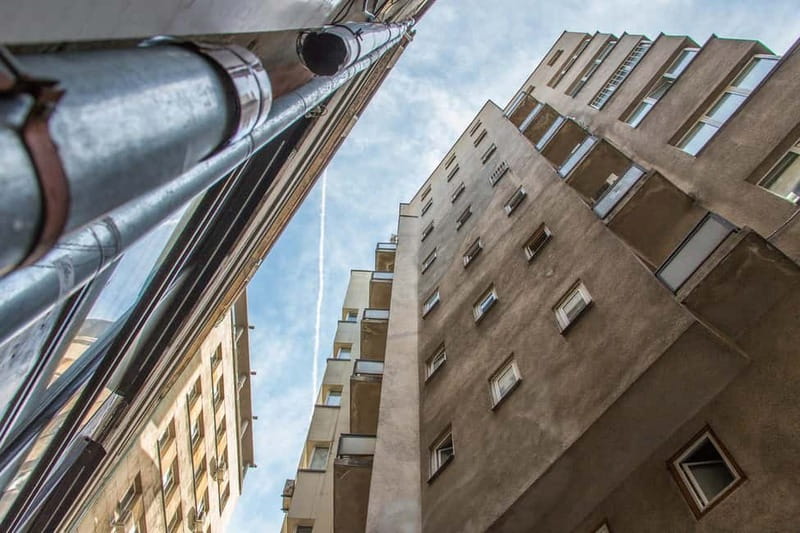
A good communist tour in Eastern Europe does not reduce the era to politics alone. This one keeps reminding you that the system had to deal with older identities, including religion and established institutions.
You’ll visit the medieval Orthodox temple of St. Nicholas the Wonderworker, a 13th-century church. That stop works because it’s older than the communist period, and the contrast becomes obvious as the tour explains the tension between state ideology and religious life.
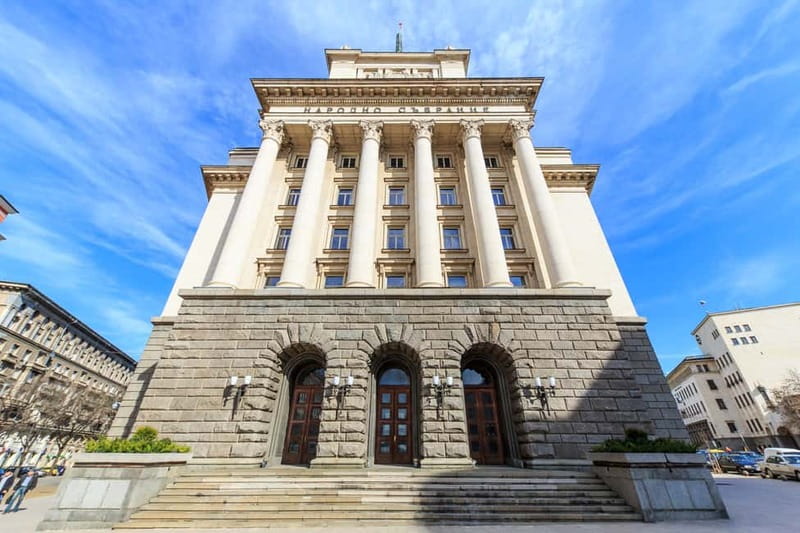
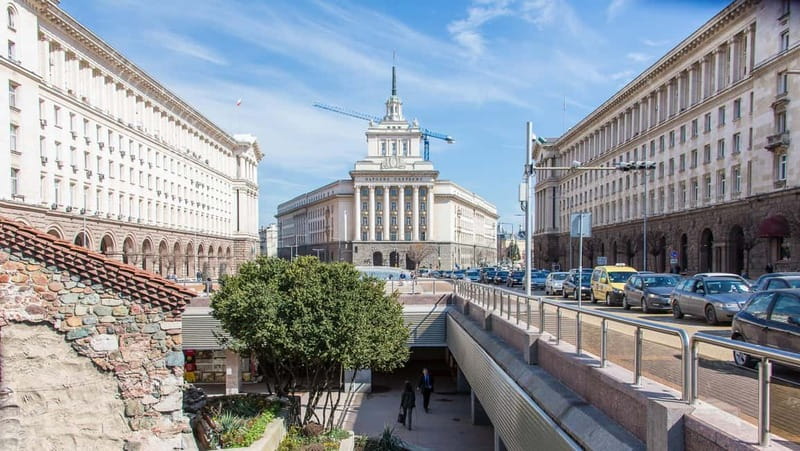
You’ll also pass through areas tied to Bulgaria’s government, including the National Assembly of Bulgaria. The tour connects what the state demanded with how public institutions functioned, so law and ideology stop feeling abstract.
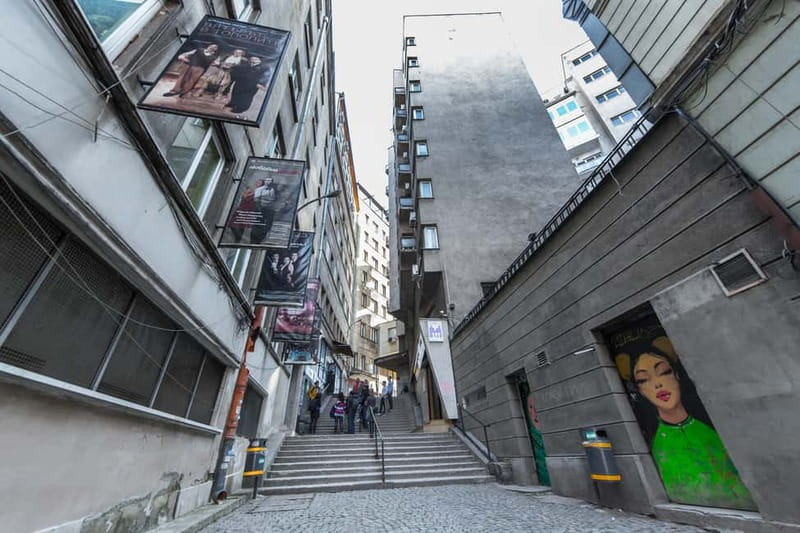
Even the quieter streets matter. Stops along ulitsa Malko Tarnovo and a stop related to the State Agency Archives help show how records, administration, and control were part of daily governance. The city’s bureaucracy becomes a character in the story, not just background noise.
More of the same era, told straight:
- Sofia: Museum of Socialist Art and Buzludzha Monument Tour
★ 4.9 · 86 reviews - Sofia Communist History 2-Hour Tour in a Classic Trabant
★ 5.0 · 45 reviews - Sofia Food & Tasting Tour with Communist-Era Tram Ride
★ 5.0 · 35 reviews - Buzludzha Monument and the Museum of Socialist Art
★ 5.0 · 25 reviews
Former Communist Party headquarters and the secret police, control with paperwork and fear
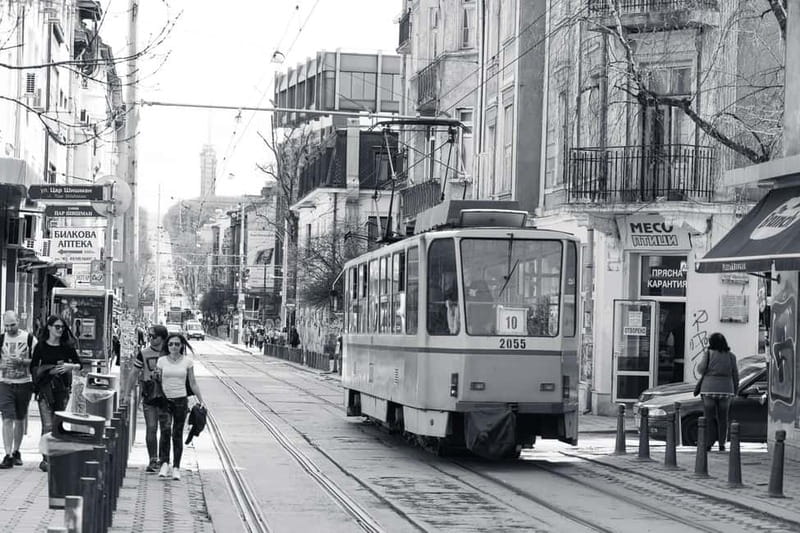
The tour’s darker side is central, not optional. You’ll visit areas connected to the former Bulgarian Communist Party headquarters and a secret police investigation facility. These are the places where enforcement and ideology came together, and the guide’s job is to explain the human stakes, not just the dates.
What makes this portion powerful is that it’s not only about what happened in theory. The tour also frames what the Cold War looked like in everyday behavior, how people navigated risk, and why some institutions became frighteningly influential.
Another especially striking moment is the site of the destroyed mausoleum of Bulgaria’s first communist leader. Even without the original monument standing, the “absence” becomes part of the lesson. It’s a reminder that after 1989, Bulgaria did not simply forget, it also physically erased symbols that no longer fit.
If you prefer history without heavy emotional content, you should treat this tour like you would a serious documentary: respectful, but not fluffy.
Parks, gardens, and the rhythm of city life under socialism
Not every stop is a monument. The walk also threads through places where daily life plays out, including the City Garden and Knyazheska Garden.
These park stops help you understand the era in a more grounded way. The communist system was not only about surveillance and ideology; it also shaped public space, leisure, and how people moved through the city. You can listen to how housing, culture, and the economy shaped routine, then look around at the same spaces today.
It’s also a practical break from pure stone and signage. In the right season, parks give you a moment to reset your focus and think about what you just learned.
One small note from real-world experience: in winter, it can get dark early, and some outdoor sightlines and details are harder to see. If you’re visiting in colder months, you’ll enjoy the tour more if you can schedule it earlier in the day.
Soviet Army monument and the Memorial to victims, where memory is contested
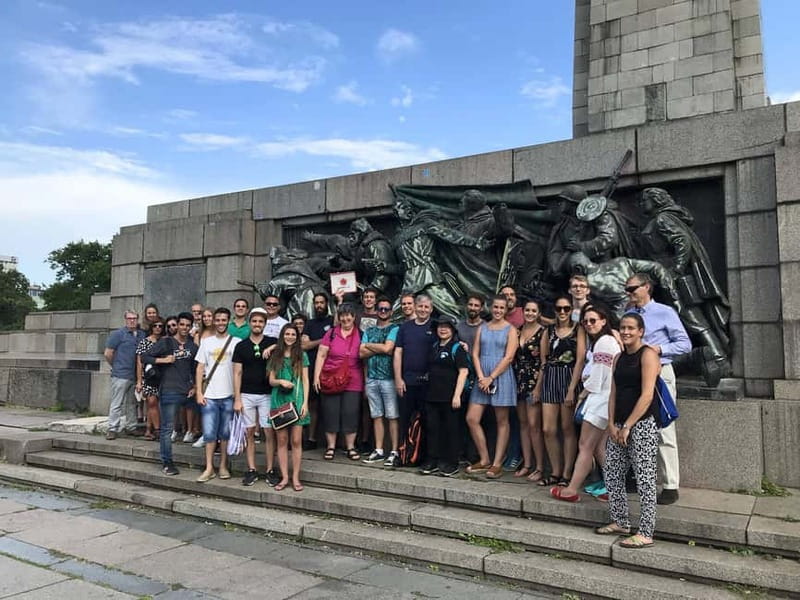
In the second half, the tour shifts to some of the most controversial markers in the city. You’ll see the Monument of the Soviet Army and the Memorial to the Victims of the communist regime in Bulgaria.
These two stops pull you in different directions. The Soviet Army monument reflects Bulgaria’s entanglement with Soviet power during the communist period. The memorial, meanwhile, points directly to the suffering caused by repression.
That combination is exactly why this tour works. It doesn’t force you into a single emotional takeaway. Instead, it helps you understand why these places generate debate, and why remembering the era in public space can feel messy.
If you’re sensitive to controversy, don’t worry. The guide’s approach is generally described as objective and balanced, aiming to show how the story looks from different angles while still acknowledging the harm.
Why this era still shows up in present-day Bulgaria
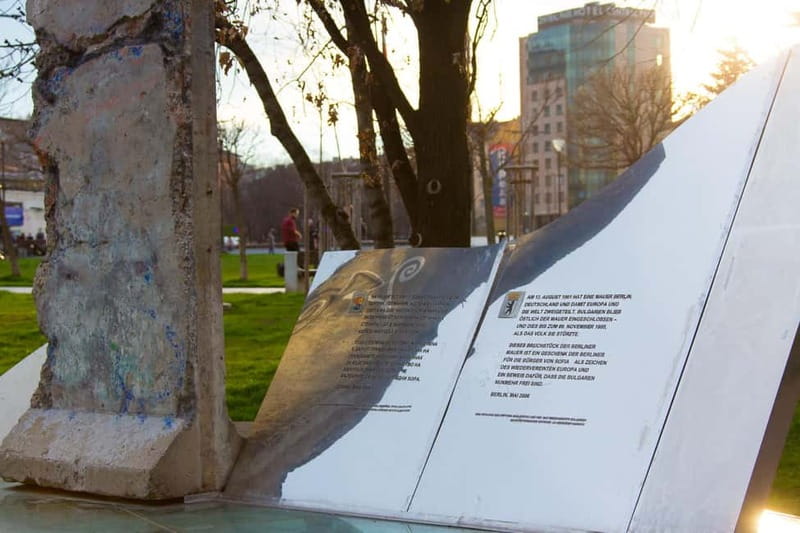
The tour’s best trick is making the communist period feel relevant without pretending it explains everything about today. You’ll hear how ideology affected education, religion, work, and culture, and how the afterlife of those policies still echoes in attitudes and institutions.
It’s especially useful if you’re also planning to explore Sofia on your own right after the walk. Once you’ve seen the main communist landmarks, you start noticing details you would otherwise miss, like which buildings dominate certain squares, which monuments get centered, and what’s been repurposed.
I also appreciate that the tour doesn’t treat communism as a single uniform experience. Bulgaria’s path had its own timeline and its own mixture of local realities. The guide’s framing helps you understand the country as a place, not just a case study.
Price, value, and who this tour fits best
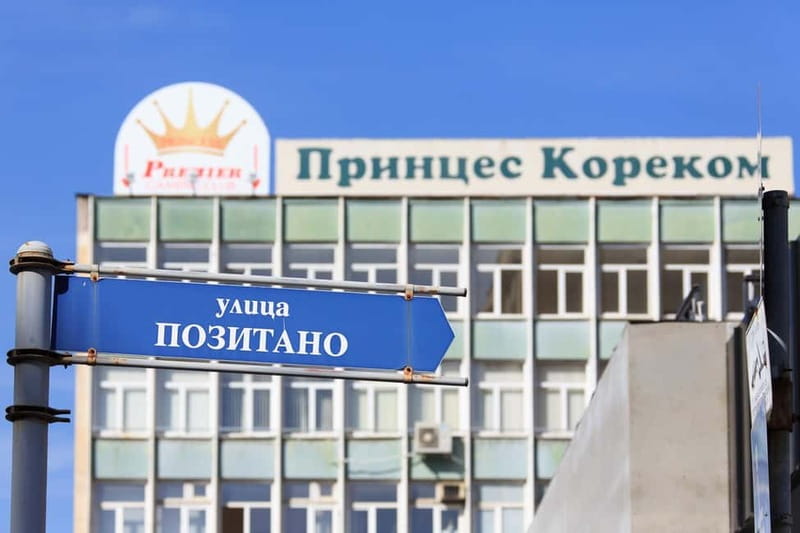
At $21 per person for 3 hours, this is strong value if you want one guide to connect architecture, monuments, and political history in a single route. You’re not paying for a bus ride or extras you might skip anyway. You’re paying for interpretation, and that’s the difference between seeing sights and understanding them.
You’ll get the most out of it if you like:
- Political history with real-world context
- Walking tours where you learn why buildings look the way they do
- Conversations that include everyday life, not just leaders and dates
You might not love it if you dislike walking or need a very accessible route. The tour is not recommended for limited mobility, it’s not wheelchair accessible, and it has a moderate fitness expectation.
Also note the family rule: unaccompanied minors are not allowed. If you’re traveling with kids, bring an adult who can stay fully with the group.
Should you book the Sofia Communist Walking Tour?
Book it if you want Sofia’s communist story in a way that feels practical and grounded. The route covers the big visual anchors, including Hotel Rila, the 13th-century St. Nicholas the Wonderworker church for contrast, and the finish at the National Palace of Culture, while also connecting that scenery to everyday life, repression, religion, industry, and housing. Based on how guides like Daniel and Vasil are described, you’re likely to get a balanced, question-friendly experience rather than a one-sided sermon.
Skip it only if you’re not comfortable with heavy themes, or if you can’t handle 3 hours of walking in an outdoor city setting. If you’re good with that, this tour is one of the fastest ways to turn Sofia from a stop on a map into a place with a clear, human story.
FAQ
How long is the Sofia Communist Walking Tour?
The tour lasts 3 hours.
What is the price per person?
The price is $21 per person.
Where do you meet and where does the tour end?
You meet outside the Palace of Justice (bul. Vitosha 2, Sofia Center). The tour ends in front of the National Palace of Culture.
Is the tour wheelchair accessible or good for limited mobility?
No. It is not wheelchair accessible, and it is not recommended for people with limited mobility.
What language is the tour guide?
The live tour guide speaks English.
Is it suitable for unaccompanied minors, and can you cancel for a refund?
Unaccompanied minors are not allowed. You can cancel up to 24 hours in advance for a full refund.
Written up most recently in Sofia
- Small Group Tour to Belogradchik Fortress&Venetsa Cave from Sofia★ 5.0 · 3 reviews
- Private Sofia Half Day Eco Tour★ 4.4 · 3 reviews
- Rila Mountain Winter Day Trip★ 5.0 · 3 reviews
- Private Winter Day Trip to the Rila Mountain★ 4.5 · 3 reviews
- Lovech, Devetashka cave and Krushuna waterfalls★ 5.0 · 3 reviews
- From Sofia The Beauty of the Countryside and a Homemade Lunch★ 5.0 · 3 reviews
- Bulgaria and Serbia Full Day Tour from Sofia★ 5.0 · 3 reviews
- Private tour to Rila monastery, Wine degustation, Boyana church★ 4.5 · 3 reviews
Communist Heritage Tours, compared.
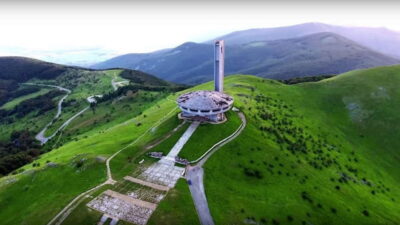
Museum of Socialist Art and Buzludzha Monument Tour
Read our review →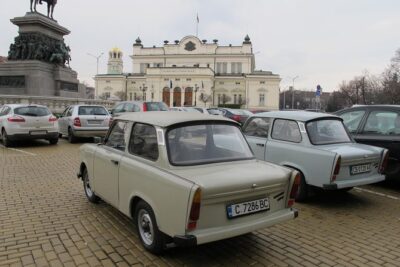
Sofia Communist History 2-Hour Tour in a Classic Trabant
Read our review →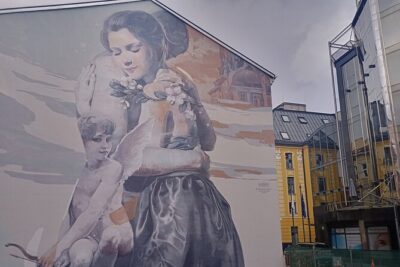
Sofia Food & Tasting Tour with Communist-Era Tram Ride
Read our review →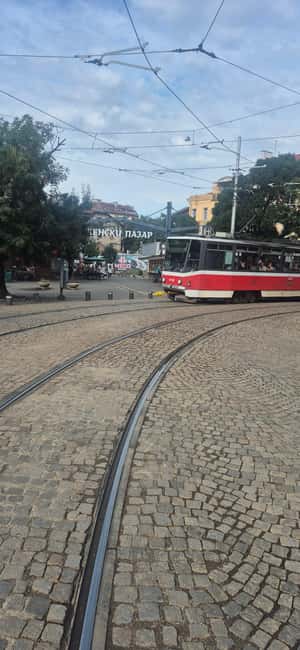
5-Stop Food & Culture Tour by Communist-Era Tram
Read our review →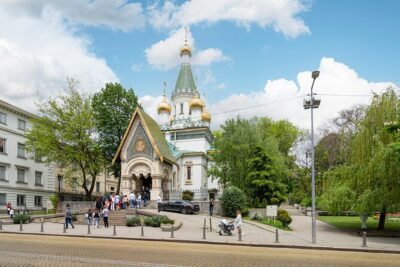
Explore Bulgaria’s COMMUNISM Era – Todor Zhivkov DayTrip from Sofia
Read our review →Browse the lists this tour appears in