Reviewed · SOFIA TOURS
Sofia: Discover Bulgaria with Dance
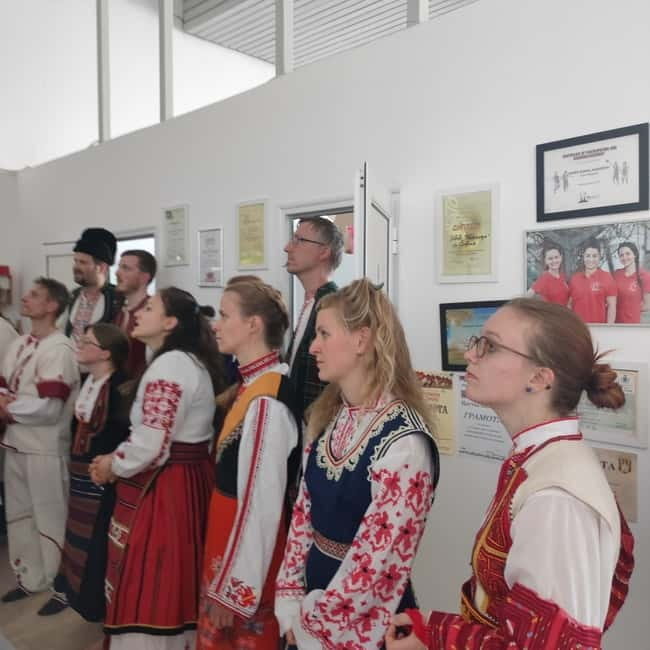
What makes this Sofia class so interesting is that it treats folklore dance like a living map of Bulgaria, not a stage show. You start with a short talk about Shopluka customs and regional traditions, then you move straight into learning an authentic choro dance. For me, the two best parts are the clear instruction that makes it feel doable for beginners, and the chance to dress in traditional costumes for photos. One thing to consider is the whole experience is compact, so you will learn a small set of steps rather than a full dance program.
You are also working with an English-speaking instructor in a small group, and the teaching style gets praised a lot by people mentioning teachers such as Desislava (Desi), Tes, Ina, and Niko. I like that the class blends culture talk with physical practice, so you leave with both context and a personal souvenir: you in traditional dress. The main drawback is simple logistics, meeting point can vary by option, and the location may switch when there are many participants.
Key Highlights at a Glance
- Shopluka focus, with customs, typical costumes, and regional dance styles
- Learn one authentic choro, with step-by-step guidance
- Try on traditional Bulgarian garments and get a photo in costume
- English instruction and a small group setup
- Cultural context built into the lesson, not tacked on at the end
Why Bulgarian Folklore Dance Works in One Hour
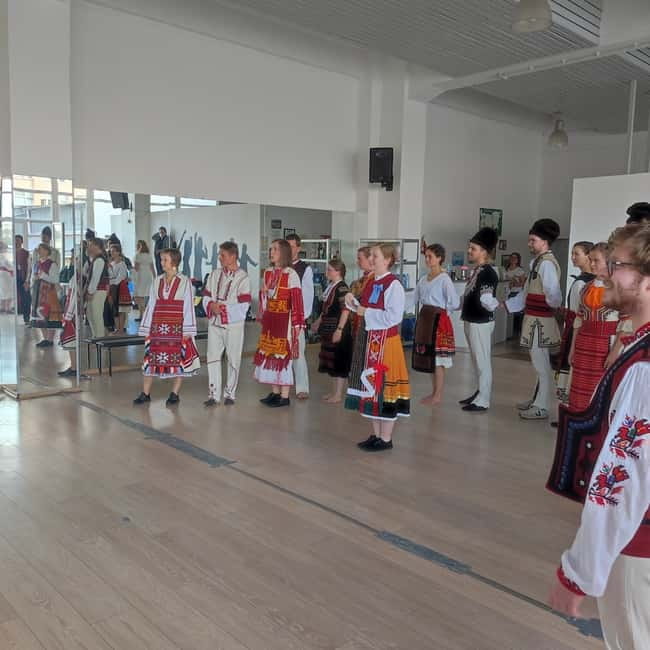
If you have limited time in Sofia, this is one of those activities that gives a lot of cultural signal fast. Bulgarian folklore dance is physical storytelling, and the class structure reflects that. You do not just listen, you practice.
The session also has a smart rhythm. First you get the why, then you get the how. The talk covers a specific region, Shopluka, including customs, the feel of the local temperament, and the typical dresses and costumes for that area. Then you learn a dance that fits that tradition, so the steps are tied to meaning.
I also like the friendly tone that comes through in how instructors teach. Multiple people note that teachers like Desi, Tes, and Niko keep things calm, patient, and encouraging. That matters if you are new to dancing, because Bulgarian folk moves can look complicated if you see them only from the outside.
Finally, you get a photo-ready payoff. You dress in traditional clothes and perform the dance you practiced. It is not about perfection, it is about participation.
A few more Sofia departures leaving the same week
- From Sofia: Rila Monastery & Boyana Church Day Tour
★ 4.7 · 5,107 reviews - From Sofia: Must-See Rila Monastery & Boyana Church Day Tour
★ 4.6 · 3,322 reviews - From Sofia: Guided Day Tour of Plovdiv’s Must-See Sights
★ 4.6 · 1,688 reviews
The One-Hour Flow, From Shopluka Traditions to a Choro You Can Do
The class is built around a three-part progression, and each step has a job.
1) Customs and costume primer for Shopluka
You begin with a brief explanation of Shopluka: local customs and traditions, and the typical vibe people associate with that region. The instructor also covers the kinds of dresses and costumes you will see in that area, including how they connect to dance style and community life.
This is more than a history lecture. It helps you interpret what you are about to do. Folk dances often have regional flavor in posture, timing, and movement emphasis. When you know the story first, the body work later makes sense.
2) Learning the authentic dance (choro)
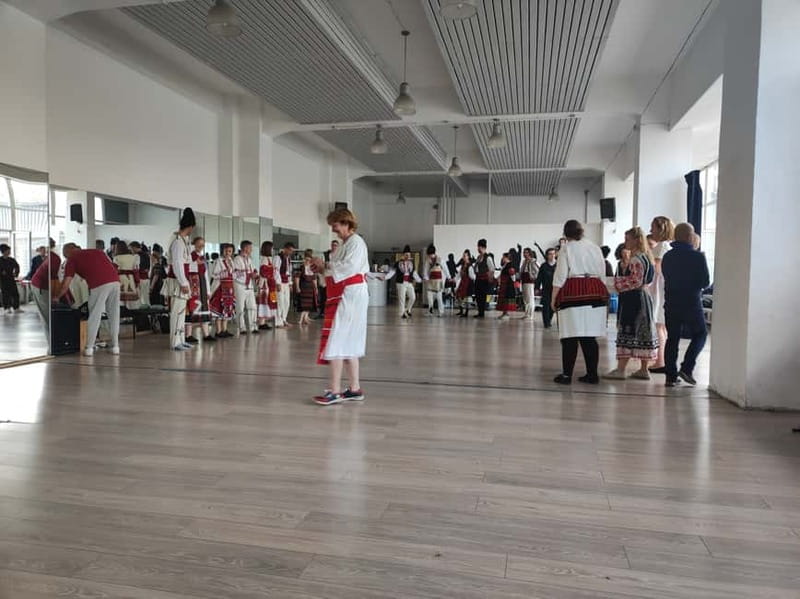
Next comes the hands-on part: you learn one traditional dance, specifically identified as a choro. The instructor guides you through the steps in a way that makes it easier to follow along, even if you have zero experience.
In practice, this usually means you will repeat key moves enough to feel the rhythm. You likely will not become a dance team in sixty minutes, but you will walk away able to do a recognizable version. That is what you want on a trip, something you can remember and replay, not just something you watched once.
A gentler use of the second half of a Sofia day:
- From Sofia: 7 Rila Lakes and Rila Monastery Extended Trip
★ 4.7 · 1,189 reviews - Sofia: Communist Walking Tour
★ 4.9 · 1,106 reviews - From Sofia: The Seven Rila Lakes Full-Day Hiking Tour
★ 4.7 · 923 reviews - Rila Monastery and Boyana Church Full-Day Tour
★ 4.5 · 918 reviews
3) Costume up, then perform what you learned
The final segment is dressing up in traditional Bulgarian costumes and performing the dance. This is where the experience becomes personal. The photos are fun, but the real value is that you understand what the costume changes in how you move and how you look while dancing.
People mention that the instructors help them feel at ease while dressing and dancing, including those who were surprised by how manageable it felt. If you worry that costumes will be uncomfortable or awkward, you can still approach this with confidence. The lesson is designed to include you, not test you.
What Traditional Costumes Add (Besides Great Photos)
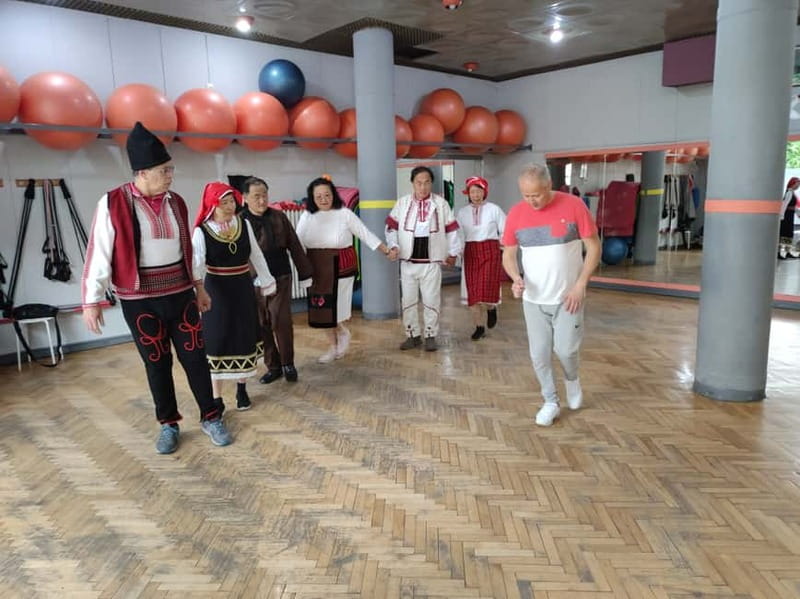
Traditional costumes can turn a cultural lesson into a memory you actually wear. In this class, costumes are not a separate gimmick. They connect directly to the region being taught, and they frame the dance in a visual way.
You also get to take photos while dressed. That is useful for two reasons. First, it gives you something immediate and shareable. Second, it reinforces what you learned about the regional styles, because you see the shapes, colors, and layering up close rather than in a book.
One practical note: while high heels are specifically not allowed, you should still think comfort first. Plan for shoes that support you through quick footwork. If you use sneakers, keep them simple and stable. If you are unsure, just ask the instructor ahead of time what works best for your feet.
The costume part is especially satisfying for people who like culture through craft. Even if you only remember a few details about Shopluka after the class, you will probably remember the feeling of wearing the outfit.
Who This Class Fits Best in Sofia
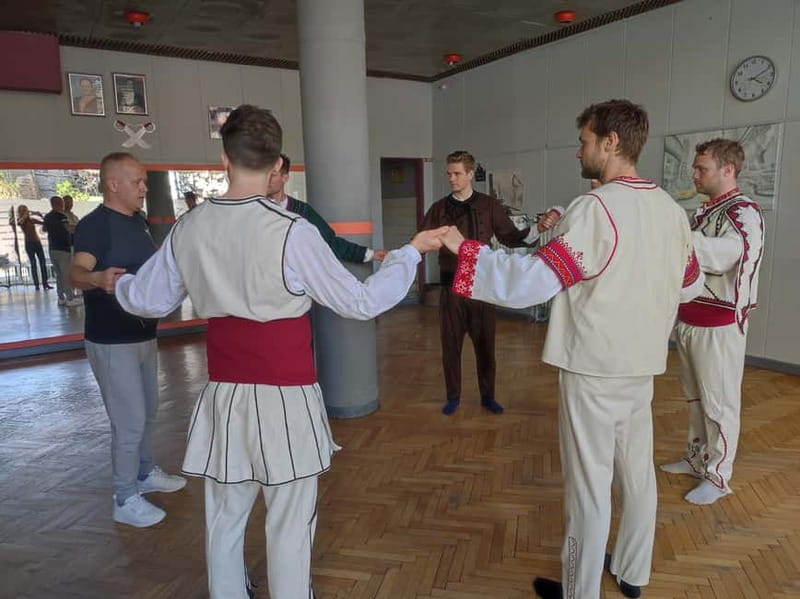
This is a good match if you want culture with movement and you prefer small-group learning over crowds. The class runs for one hour, so it fits easily between museum time, a coffee break, or dinner plans.
It also works well if you are traveling with:
- Couples or friends who want a shared, active experience
- Solo travelers who like meeting people without awkward icebreakers
- Families, including kids, because the teaching is described as engaging and supportive
- Older adults, including those who were worried about dancing, because the class still feels approachable
If you are a serious dancer looking for advanced choreography, you might find the time too short. This is a taste plus a skill check, not a dance training camp.
Also consider your motivation. If you only want scenic sightseeing, this is not that. But if you want a hands-on cultural moment that takes you past the tourist surface, it is a strong use of your time.
Cost and Value: Why $26 Can Feel Like a Bargain
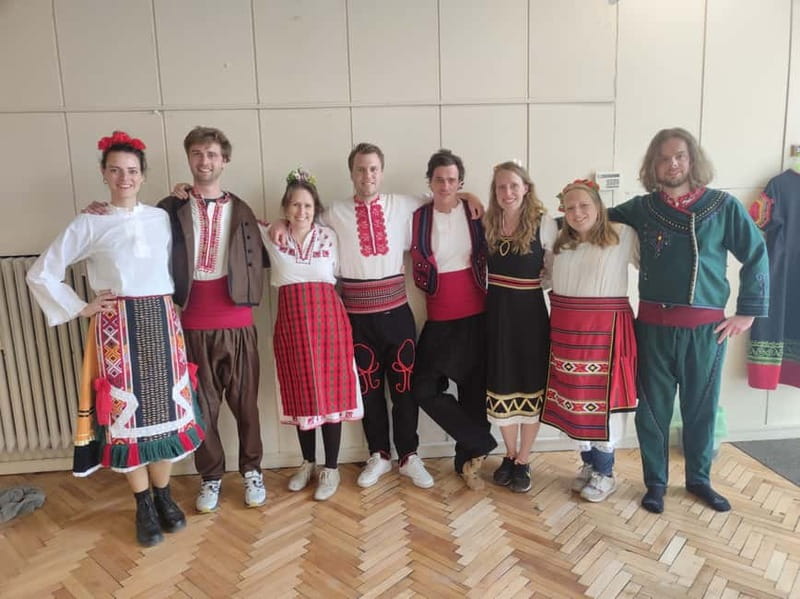
At about $26 per person for one hour, this class can be excellent value because it bundles four things that are usually separate:
1) A regional culture briefing
2) Live English instruction
3) Teaching of a traditional choro
4) Traditional costumes included, plus photos
Many paid activities in Sofia give you one of these. This gives you multiple. And because it is small group and short, you are not paying for time spent waiting around.
The big value driver is the costume inclusion. Rentals and outfit experiences can add up fast when they are stand-alone. Here, costumes are part of the lesson flow, not an add-on.
Another value factor is that the instructor-led teaching seems to work for different experience levels. People explicitly mention being surprised at how easy it was to participate. That means you are less likely to feel like you wasted money because you could not follow along.
If you like structured experiences where you are guided step-by-step, you will probably feel good about the price. If you hate any kind of learning curve, you may feel impatient with the repetition needed to learn a dance.
Practical Tips: Shoes, Meeting Point, and How to Be Ready
This activity is straightforward, but a few details can make it smoother.
Shoe rules: skip high heels
High-heeled shoes are not allowed. Choose stable footwear. If you arrive in something that feels slippery or unstable, you will likely feel it during the dance practice.
Meeting point can shift
Your meeting point may vary depending on the option booked. And when there are many participants, the class can use a different location, still very central. The key move here is simple: check your inbox after booking so you do not arrive at the wrong spot.
Expect an English-led lesson
The instructor is English speaking. That matters because Bulgarian dance terminology, rhythm talk, and costume instructions are easier when the explanation is clear.
Small group means quicker help
Small group available is a big deal in a dance class. It gives the instructor a chance to correct posture, pacing, and confidence while you try the steps.
Timing: plan for one hour, not half a day
The duration is one hour. You may want to schedule it when you are not rushing to catch another timed event right after. Build in a small buffer so you can enjoy dressing up and photos without stress.
Should You Book Sofia: Discover Bulgaria with Dance?
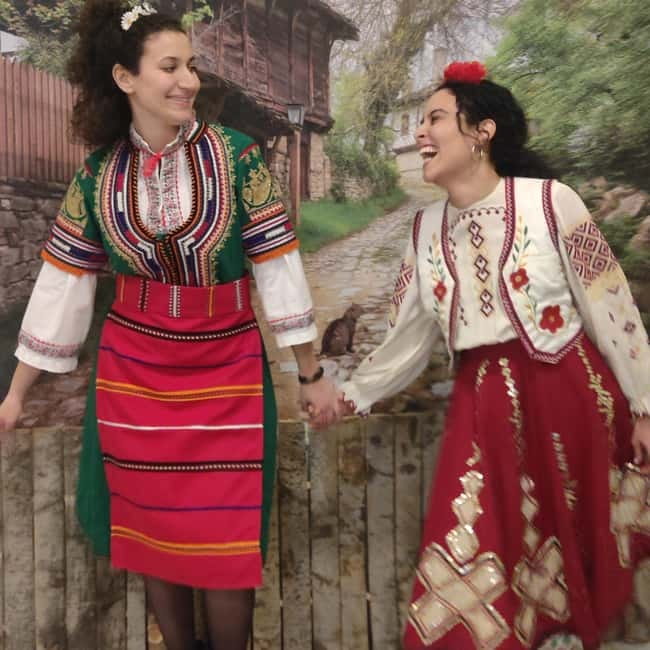
Yes, if you want a memorable cultural activity in a small time window. I especially recommend it if you like the idea of learning one real dance and linking it to a specific regional tradition like Shopluka. The costume photo moment is also a legit bonus, because it turns the lesson into a personal keepsake.
Book it even if you are not a dancer. The class is designed to be participatory, and the teaching tone is frequently praised as patient and encouraging, including by people who came in with little confidence.
Skip it only if you are mainly after passive sightseeing, or if you are expecting a deep technical dance workshop. In one hour, you will learn enough to join in, not enough to master everything.
If you are on your Sofia trip and want something cultural that you can actually do, this is an easy “yes.”
FAQ
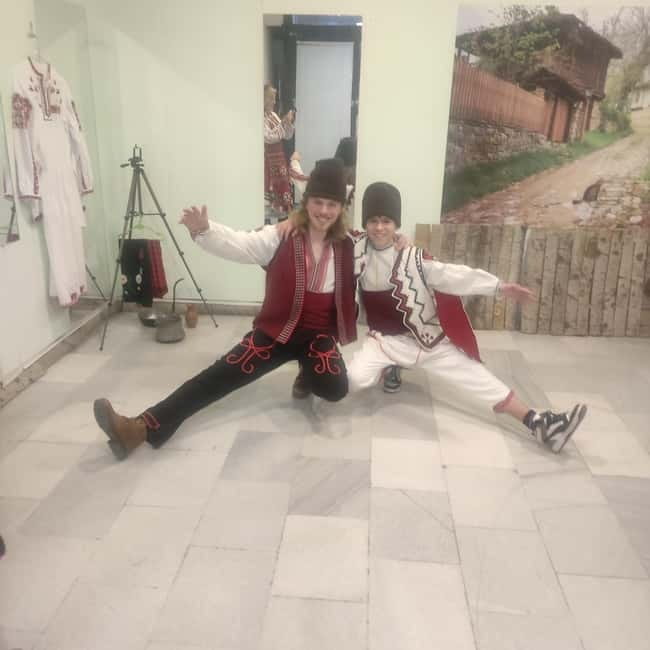
How long is Sofia: Discover Bulgaria with Dance?
The class lasts 1 hour.
Is the instructor available in English?
Yes. The instructor teaches in English.
What do I get included in the price?
Traditional Bulgarian costumes are included.
Is it a small group activity?
Yes. There is a small group option available.
Where do I meet the instructor?
The meeting point may vary depending on the option booked. If there are many participants, the location can also change, so check your inbox for details.
Are there any footwear restrictions?
Yes. High-heeled shoes are not allowed.
Is there free cancellation?
Yes. You can cancel up to 24 hours in advance for a full refund.
Written up most recently in Sofia
- Small Group Tour to Belogradchik Fortress&Venetsa Cave from Sofia★ 5.0 · 3 reviews
- Private Sofia Half Day Eco Tour★ 4.4 · 3 reviews
- Rila Mountain Winter Day Trip★ 5.0 · 3 reviews
- Private Winter Day Trip to the Rila Mountain★ 4.5 · 3 reviews
- Lovech, Devetashka cave and Krushuna waterfalls★ 5.0 · 3 reviews
- From Sofia The Beauty of the Countryside and a Homemade Lunch★ 5.0 · 3 reviews
- Bulgaria and Serbia Full Day Tour from Sofia★ 5.0 · 3 reviews
- Private tour to Rila monastery, Wine degustation, Boyana church★ 4.5 · 3 reviews
Sofia Tours, compared.
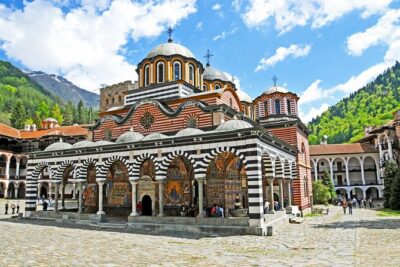
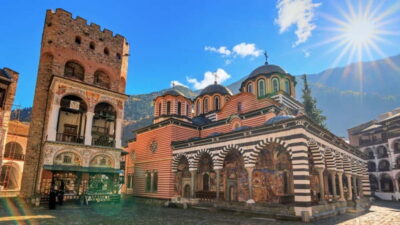
Must-See Rila Monastery & Boyana Church Day Tour
Read our review →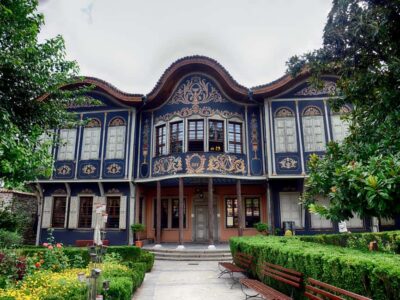
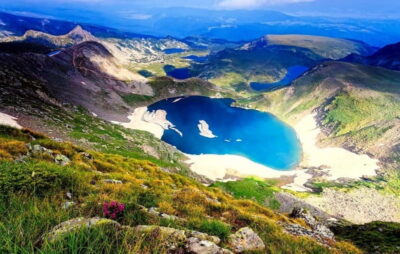
7 Rila Lakes and Rila Monastery Extended Trip
Read our review →