
Reviewed · WALKING TOURS
Plovdiv Walking Tour To Old Town And Ancient Roman Landmarks
Plovdiv feels like a history mashup you can actually cover on foot. One day you are staring at a Roman imperial stadium, the next you are in the middle of a pedestrian-zone mosque, then back to ancient theaters and churches on old walls. This tour is interesting because it links major layers of the city into a tight walking loop that makes the places make sense.
I especially like the small group size (max 10) and the way the guide keeps the pace friendly without losing key details. When the guide is Dimitar, the experience can be very strong, with clear explanations and a good balance of facts and pointers for what to notice. One possible drawback is budget math, since the Ancient Theatre ticket is not included, and there are optional museum entries you may want to pay for on your own.
Key things to know before you go
- A tight 2-3 hour walk: You’ll move efficiently between the Roman core, old-town streets, and viewpoints.
- Mostly free stops: Several highlights are admission free, with only a couple of paid add-ons.
- English guide, small groups: Professional English guiding, capped at 10 people.
- Mobile ticket included: You’ll use a mobile ticket for the experience.
- Ancient Theatre is the main extra: Plan for the theatre admission if you want to go inside.
- Good weather helps: The tour depends on weather conditions.
Why this Plovdiv walking tour is worth your time
If you like cities where you can see eras stacked on top of each other, Plovdiv is made for walking. This tour starts at the Roman heart and then fans out through the old town, so you are not bouncing randomly across town. You get a logical route that helps you connect what you are seeing to how the city grew.
The best part is that the tour is short enough to fit into a busy schedule, yet complete enough to feel like you actually learned the city. You’ll spend time at big “wow” sites like the Ancient Theatre of Philippopolis, but you’ll also get the calmer, human-scale moments in the old streets and churches.
The other practical win: the price is low for what you receive. At about $31.28 per person, you are paying for guided context. Most of the stops listed here are free entry, so the guide is the main value, not a bundle of paid attractions.
More Walking Tours in Plovdiv
- Private city walking tour of Plovdiv
★ 5.0 · 65 reviews - Plovdiv: Guided Walking Tour
★ 4.3 · 41 reviews - Food Walk: Bulgarian Food and Culture Tour in Plovdiv
★ 5.0 · 35 reviews
Roman Stadium to Djumaya Mosque: the old town starts fast
Your tour meets at the Ancient Stadium of Philippopolis, in the Staria grad area. Even if you do not know a lot about Roman architecture yet, the scale hits you quickly. This stadium was built in the 2nd century AD, and it is one of the largest and best preserved Roman buildings in the Balkans.
From there, the walk shifts into the city’s living core. You head toward the Djumaya Mosque, located in the center of today’s pedestrian zone, just west of the old town. It is a useful stop because it shows how the city kept evolving after the Roman era, turning imperial stone into a focal point for later centuries of urban life.
What I like about these first two stops is the contrast. You start with a massive Roman public space, then you step into a mosque that sits inside a modern walking area. You’ll likely notice how Plovdiv keeps its historical landmarks close to everyday movement, not fenced off in some distant museum world.
Ancient Theatre and the paid-ticket reality
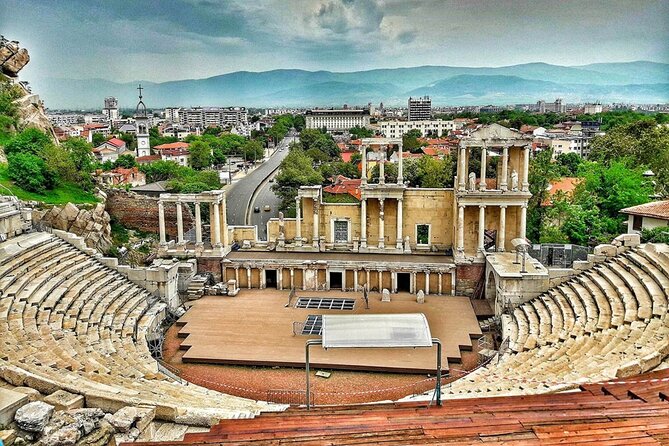
Next comes the Ancient Theatre of Philippopolis, one of Plovdiv’s headline attractions. It is among the best preserved ancient theaters anywhere, and that matters because you can actually visualize what these spaces felt like when they were in use. If you are the type who likes theaters, speeches, or the idea of public gatherings, this is where the tour earns its keep.
The catch is admissions. The Ancient Theatre ticket is listed as not included, so you’ll want to decide ahead of time if you want to go inside. If you are trying to keep costs tight, you can still enjoy the exterior and surroundings, but you would miss the full interior experience.
This is also where I’d suggest a smart traveler move: bring small bills or make sure your payment method works for the ticket on the spot. When a tour is structured around multiple free stops, the paid one can feel like a surprise if you are not ready.
Old Town streets and the fortress-wall church feel
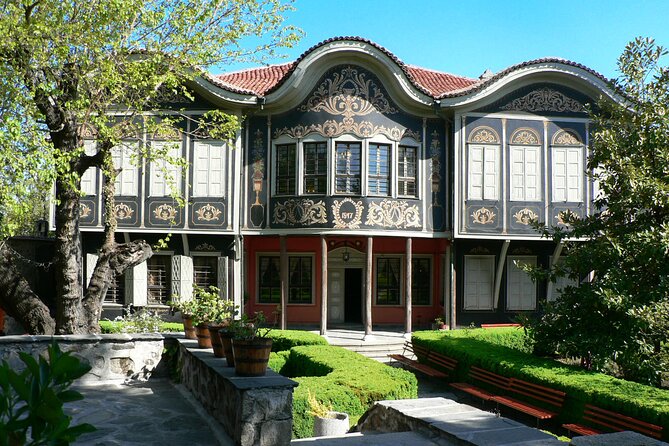
After the theater area, the route settles into Plovdiv’s Old Town, where you get renovated 19th-century buildings. This stop is about atmosphere. Roman sites are impressive, but the old-town streets are where the city starts to feel like a place you could actually live in, wander through, and come back to for dinner.
Then you get a church with a strong sense of place: St. Konstantin and Elena. It sits in the center of the old part of the city, on the very fortress wall of the Acropolis. That location is more than a scenic detail. It tells you how religious sites were tied to defensive and symbolic points in the city.
I love church stops like this when the guide connects them to the broader city layout. You can literally feel the “fortress wall thinking” here. Even if you are not religious yourself, it gives you a better read on why cities put major buildings where they did.
A few more Plovdiv departures leaving the same week
- Plovdiv guided walking tour
★ 5.0 · 31 reviews - Plovdiv: Old Town Guided Walking Tour & Audioguide & Museum
★ 4.1 · 17 reviews - Food Walk Plovdiv: Bulgarian Food and Culture Tour
★ 5.0 · 16 reviews - Plovdiv: 2-Hour Sightseeing Walking Tour
★ 4.9 · 9 reviews
Nebet Tepe and the big-view moments
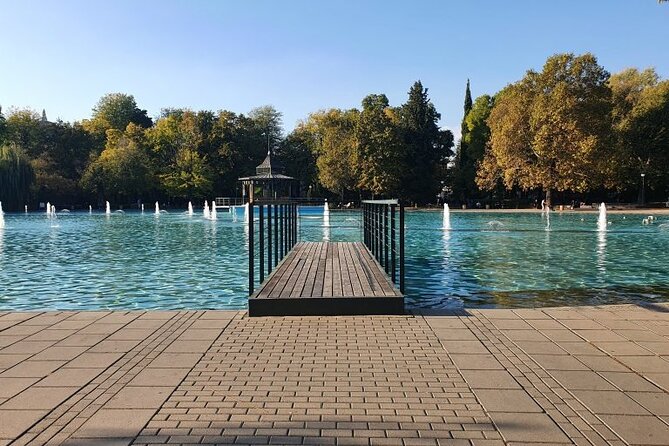
The archaeological complex of Nebet Tepe is a key stop, recognized as a cultural monument of national importance. This is one of those places where the ground plan and the placement help you understand the historical importance of the area, not just the individual ruins.
You also tend to get strong viewpoint energy around this zone. In guide-led tours of Plovdiv, it’s common for the conversation to connect to the panoramic feel of the city and the surrounding valley views, and that theme comes up in real experiences shared by guests. Even if you do not plan for every extra sight, you can still expect Nebet Tepe to give you a “look back at the city” moment that ties together earlier stops.
Keep your expectations realistic. You are on a walking tour, so you will not have hours to linger like you would in a dedicated archaeological visit. But you’ll still get the essential context, and the route is structured so you leave with a clearer mental map.
Sveta Bogoroditsa: Orthodox center of gravity
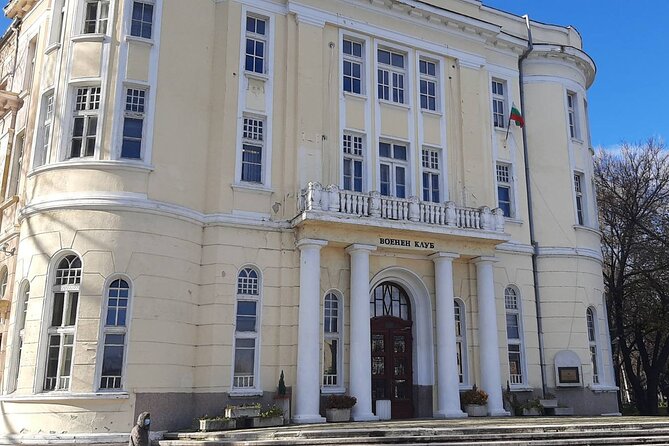
The final major stop is the church of Sveta Bogoroditsa, also referred to as the Uspenie Bogorodicno or Holy Virgin. It’s an Orthodox church in the Old Town and a cathedral linked to the high priest of the Orthodox Church in Plovdiv.
This stop lands well after Nebet Tepe and the fortress-wall church. You’ve already seen how power and identity show up in Roman civic buildings and defensive city planning. Now you see how religious institutions held central roles in later city life.
If you like taking photos, this is often one of the better moments because old-town churches give you angles that combine architecture with street life. You should also enjoy the quiet contrast after the Roman intensity. The tour ends back at the meeting point area, so you can choose whether to keep exploring on your own or head straight to food.
Price, timing, and what you’re really paying for
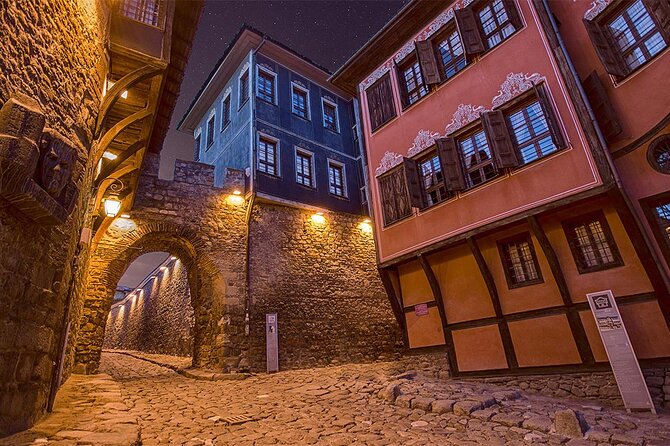
At $31.28 per person, this tour is priced like a value play. You are not paying for a long list of paid entry fees. The tour includes professional guide services in English, and a lot of stops are marked admission free.
The main cost pressure points are the places that are not included, especially the Ancient Theatre. There is also mention of Roman Ruins and Old Town Museums with an extra fee of about $2.50 per entry, so if the guide offers options that include these, you can choose based on your interests. If you want the Roman-and-archaeology focus to be deeper, you can pay those extras. If you want a lighter spend, you can skip them.
Timing-wise, plan for about 2-3 hours. That duration is ideal for a day with other plans because it gives you a coherent overview without soaking up an entire afternoon. Also, since the group is limited to 10, you usually get more attention than you would on a big bus tour.
One more practical note: the tour is near public transportation. That matters because Plovdiv’s sights are close enough to walk between, but the city is not perfectly “one neat line.” Easy access helps if you arrive late or want to extend your day after the tour ends.
Who should book this, and who might want to skip it
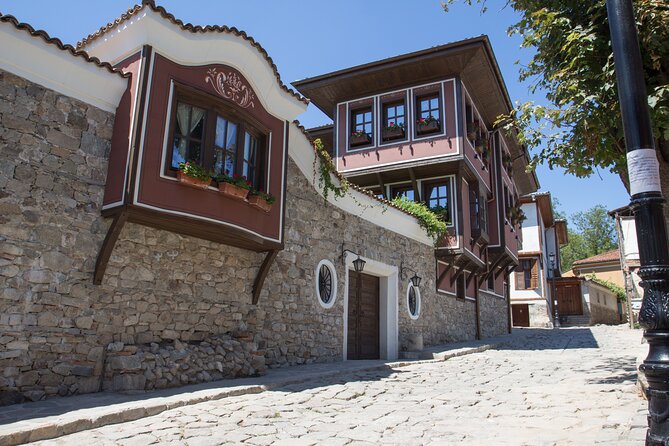
This is a good fit if you want structure. If you like knowing what you are looking at, this guided route is a fast way to get the story behind the stones. It also suits people who want a mix: Roman stadium, mosque, theater, old-town streets, and churches, all in one loop.
It is also good for travelers who value small groups. Maximum 10 people means the guide can keep track of the group and point out details without herding everyone like a crowd.
Should you skip it? Only if you already know Plovdiv’s history well and prefer to wander without a schedule. Also, if you hate paying extra admissions, decide in advance whether you will want the Ancient Theatre ticket. The tour’s design is efficient, but it is not a “everything included” deal.
Should you book this Plovdiv walking tour?
If you want an efficient, guided way to understand Plovdiv’s main layers, I’d book it. The price makes sense because most stops are free, so your money goes toward the guide and the connections between sites. The route also feels well paced for a 2-3 hour window, which is the sweet spot for first-time visitors.
My call is simple: book it if you want context and a clear walking plan. Consider adding the paid options only if your interests line up with theaters, Roman ruins, or extra museum time.
If you’re unsure, pick the date with the best weather. This tour needs good conditions, and a clear day makes the walking and viewpoint moments much more enjoyable.
FAQ
How long is the Plovdiv walking tour?
It runs about 2-3 hours.
Is the Ancient Theatre of Philippopolis admission included?
No, the Ancient Theatre ticket is listed as not included.
Are the other stops free to enter?
Many stops are marked as free entry, including the Roman stadium square, Djumaya Mosque, Old Town, St. Konstantin and Elena Church, Nebet Tepe, and Sveta Bogoroditsa Church. Roman ruins and Old Town Museums may have an extra cost if you choose to enter them.
Where does the tour start and end?
It starts and ends at the Ancient Stadium of Philipopolis, Staria grad, Plovdiv Center, ul. Hristo G. Danov, 4000 Plovdiv, Bulgaria.
Is the tour offered in English?
Yes, it is offered in English.
What happens if the weather is bad?
The experience requires good weather. If it is canceled due to poor weather, you will be offered a different date or a full refund.
Written up most recently in Plovdiv
- Koprivshtitsa History and Architecture: From Plovdiv★ 5.0 · 3 reviews
- Private Horse Riding in Rhodope Mountains from Plovdiv★ 4.0 · 3 reviews
- Full Day Tour to Koprivshtica and Starosel Thracian Tomb★ 5.0 · 3 reviews
- Plovdiv – Buzludzha and the Thracian kingdom valley★ 5.0 · 3 reviews
- Plovdiv Roman Sights Self-Guided★ 4.5 · 3 reviews
- Transfer Plovdiv to Sofia airport/city with a car 3+1★ 5.0 · 3 reviews
- Zip Line & Via Ferrata Experience in the Rhodope Mountains★ 3.5 · 3 reviews
- Tour from Plovdiv to Bachkovo,Asen Fortress and Wonderful Bridges★ 5.0 · 4 reviews
Walking Tours, compared.

City Monuments Guided Walking Tour with Audio Guide
Read our review →
Sofia Highlights 2 Hour Sightseeing Walking Tour
Read our review →

Seven Rila Lakes Snowshoe Walk & Thermal Spring Pools
Read our review →Browse the lists this tour appears in