
Reviewed · WALKING TOURS
Plovdiv: 2-Hour Sightseeing Walking Tour
Plovdiv works its magic fast, and this 2-hour walk is one of the cleanest ways to see why. You’ll move from Old Town lanes to Three Hills panoramas without wasting time getting your bearings.
What I really like is how the route layers different eras in a tight circuit. I especially love the restored Roman theatre and how you finish with the long, café-lined main street that locals actually use.
One possible drawback: this is a true walking tour. Expect cobblestones and a pace that can stretch to 2.5 hours depending on the group.
Key highlights to look forward to
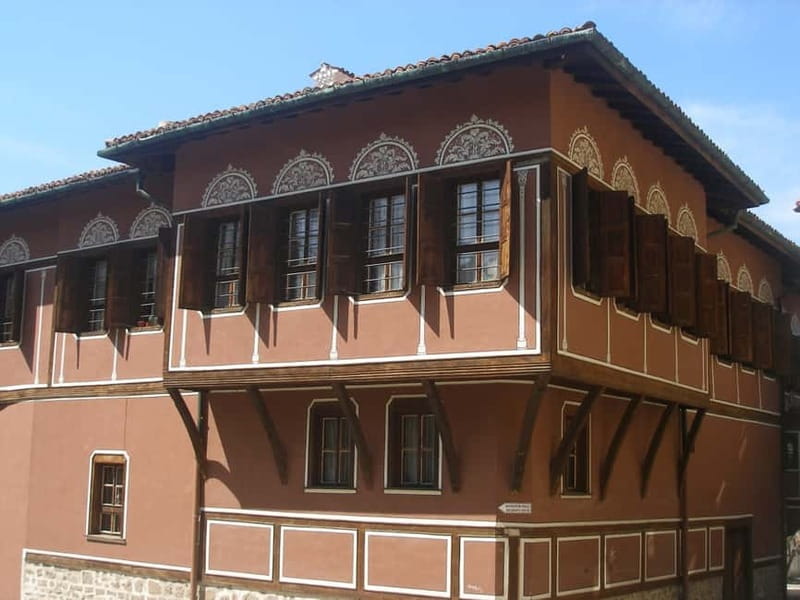
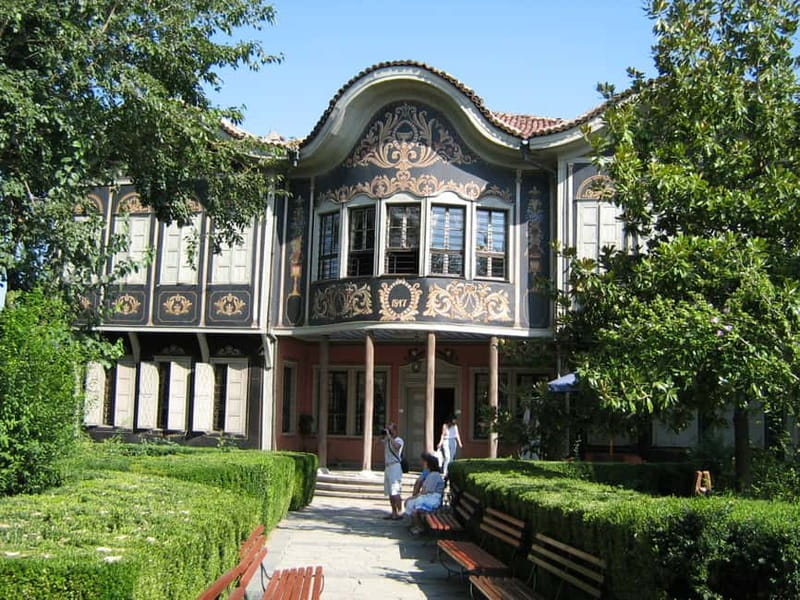
- Old Town on the Three Hills: Revival-era houses and church details set right beside ancient remains
- Three Hills viewpoints: city views that help everything click into place
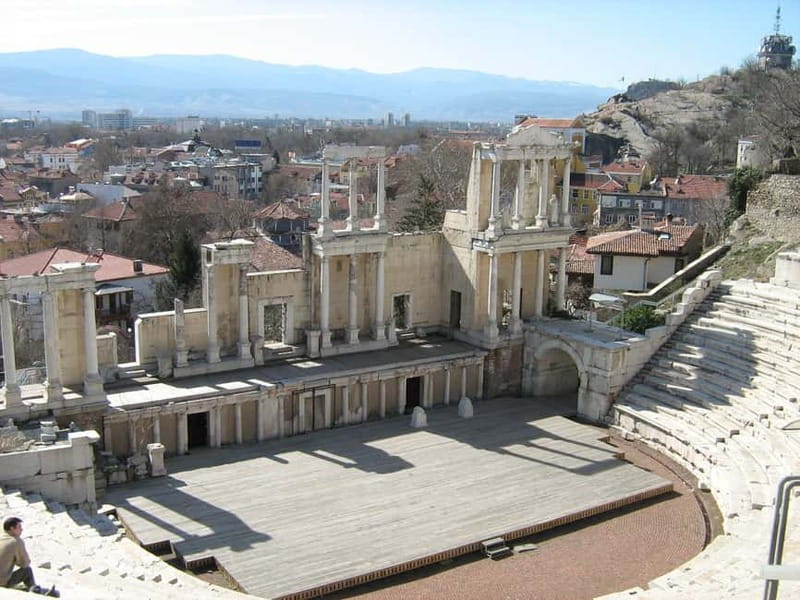
- Roman theatre (2nd century): restored and still used for performances and festivals
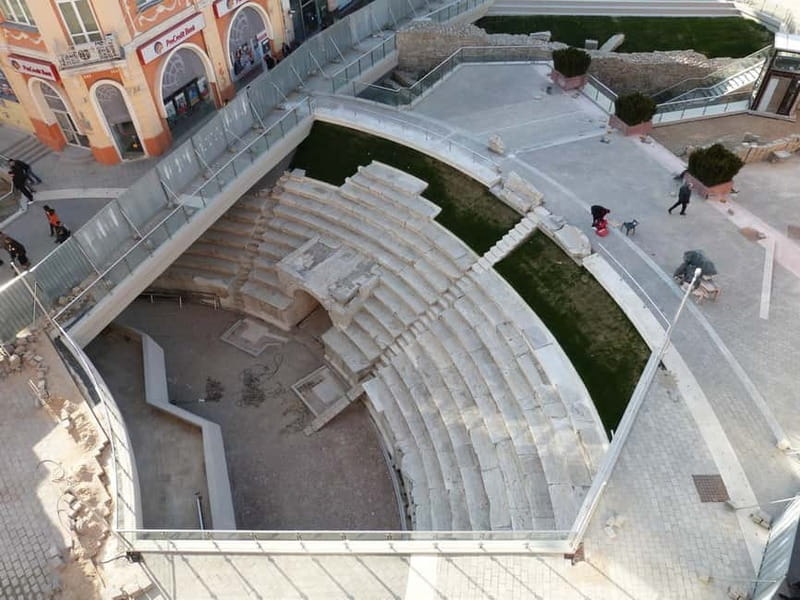
- Roman Stadium: partly uncovered ruins you can get close to and really see
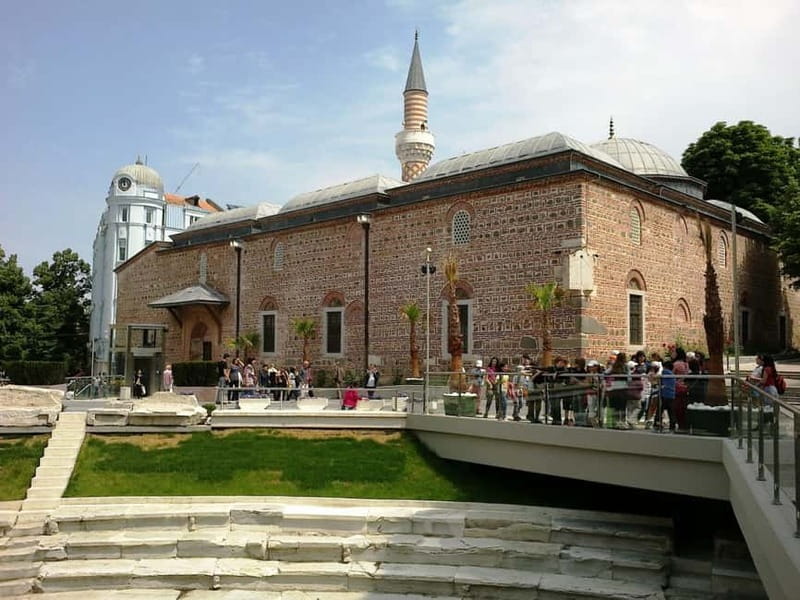
- Djumaya Mosque: a 14th-century stop that changes the mood of the walk
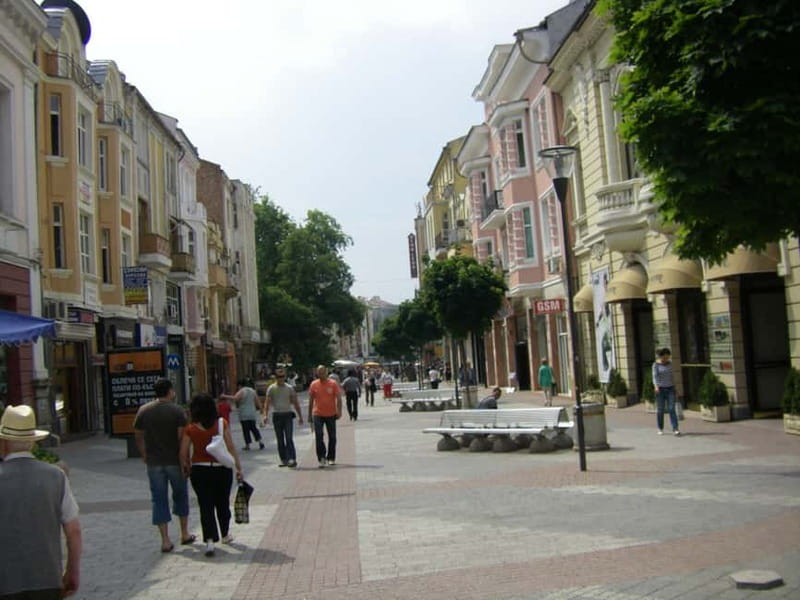
- Plovdiv’s pedestrian main street: after reconstruction in 2014, it became Europe’s longest pedestrian street
A short walk that shows Plovdiv’s layers
Plovdiv is the kind of city where one street can feel like three different cities. From the start, this tour is built around that idea: you start in the Old Town on the Three Hills, where you’ll see traditional Bulgarian Revival architecture sitting close to ancient traces. Then you climb or angle your way toward panoramic viewpoints that help you understand the city’s layout.
The best part is the pacing. In two hours, you get major anchors: the Roman theatre, the Roman Stadium, and the Djumaya Mosque, plus that long pedestrian commercial street at the end. It feels like a curated walk, but not stiff. You’ll have time to take photos, and you’ll also get practical orientation you can use later on your own.
More Walking Tours in Plovdiv
- Private city walking tour of Plovdiv
★ 5.0 · 65 reviews - Plovdiv: Guided Walking Tour
★ 4.3 · 41 reviews - Food Walk: Bulgarian Food and Culture Tour in Plovdiv
★ 5.0 · 35 reviews
Starting at Ramada Trimontium, then getting oriented quickly
You meet in front of the Ramada Trimontium hotel, which is a good, easy-to-find landmark for day one in town. From there, the guide sets the tone fast: where you are, why the Three Hills matter, and how the Old Town’s narrow streets were meant for people, not traffic.
Because this is a small group limited to 10, it’s easier to keep together than on a big bus tour. You can ask questions without getting lost in a crowd, and you’re not stuck listening to one-size-fits-all explanations.
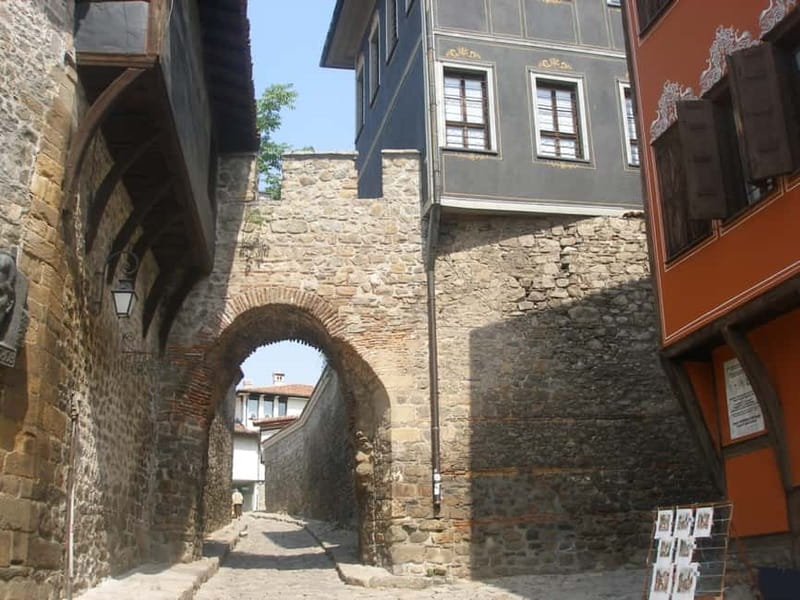
Old Town cobblestones, Revival houses, and churches you can spot by eye
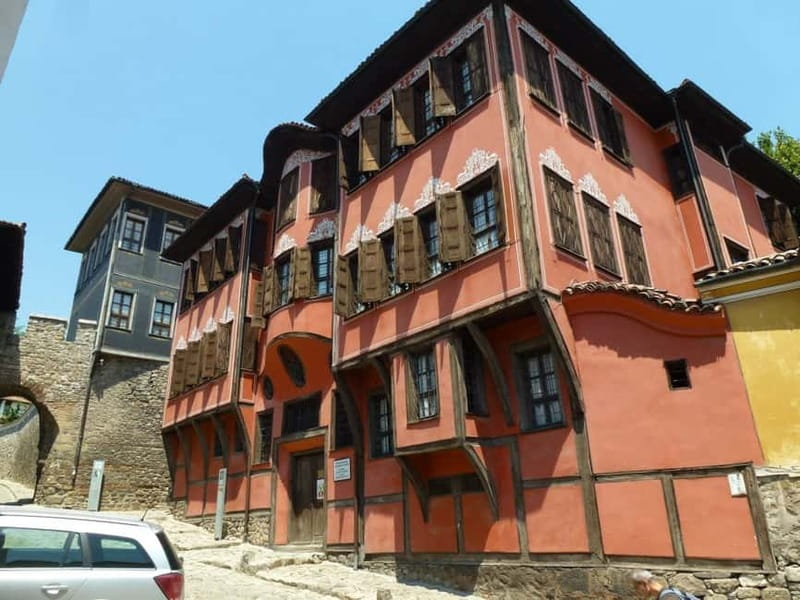
Once the walk starts, the atmosphere is immediately old-world. Think narrow cobbled lanes and houses from the Bulgarian National Revival period packed close to older layers beneath and around them. This section is less about checking boxes and more about learning how to look.
You’ll also see churches tied to the Bulgarian Renaissance era. The guide helps you notice what makes them distinct, and that matters because Plovdiv’s Old Town can look like one big postcard until someone points out the details. The feel here is intimate, and you’ll often be able to stop for a minute without blocking the flow.
Practical note: cobblestones can be slow. I’d wear shoes that grip well, especially if the weather is anything less than perfect.
Three Hills viewpoints, where the city finally makes sense
The route’s turning point is the panoramic view from the Three Hills. Even if you think you already know where things are, this is the moment that usually makes Plovdiv click. From above, you see how the Old Town sits, how the layers relate, and why the city has that stacked, hillside feel.
For me, this is where the tour earns its keep. Roman sites can look dramatic, but views make them understandable. The guide’s explanation here helps you connect what you saw earlier on the streets to what you’ll see next, including the theatre and stadium areas.
If you’re the type who likes your photos to include a bit of context, this is your best window.
A few more Plovdiv departures leaving the same week
- Plovdiv guided walking tour
★ 5.0 · 31 reviews - Plovdiv: Old Town Guided Walking Tour & Audioguide & Museum
★ 4.1 · 17 reviews - Food Walk Plovdiv: Bulgarian Food and Culture Tour
★ 5.0 · 16 reviews - Plovdiv Walking Tour To Old Town And Ancient Roman Landmarks
★ 5.0 · 13 reviews
The restored Roman theatre, still used for performances
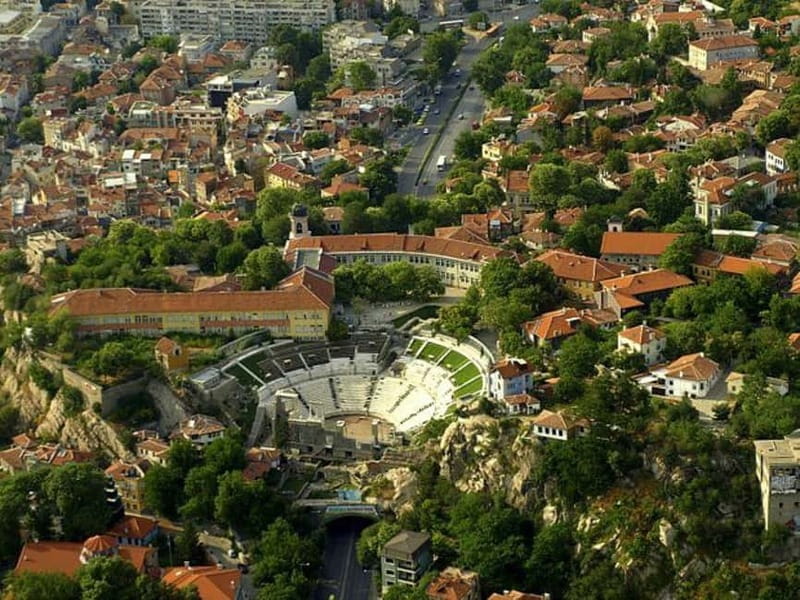
Next comes one of Plovdiv’s headline acts: the Roman theatre from the 2nd century. What’s special is that it’s not just an archaeological stop behind a fence. It has been restored, and it’s used today for different performances and festivals.
That living use changes how the place feels. Instead of imagining how it worked, you can picture it in motion, with people occupying the seating and the stage doing its job. The guide’s job here is to translate the stones into structure, like where the audience would be positioned and why the theatre’s layout mattered.
A tip for your photos: look for angles that show both the stonework and the scale. Up close, it’s impressive. From the right spot, it becomes a scene.
Roman Stadium ruins, partly uncovered and easy to read
After the theatre, the walk heads toward the Roman Stadium, described as partly uncovered. This is a different kind of thrill. The theatre is polished and performative. The stadium is more open to interpretation, which is exactly why it’s interesting.
Seeing the partially uncovered structure helps you understand what remains and what was lost. The guide helps you read the space, so it doesn’t feel like random ruins. Instead, you start to see where activity would have been and how the stadium’s setting relates to the surrounding Old Town area.
If you like archaeology that you can actively interpret, this stop delivers. If you’re only into perfectly restored sites, you’ll still get plenty here, just with more “imagination required” than at the theatre.
Djumaya Mosque, a 14th-century pause in the walk
Then you shift from Roman-era visuals to a major later landmark: the Djumaya Mosque from the 14th century. This stop works because it changes the rhythm of the walk. The mosque brings a different architectural style and a different time period into the same walking circuit, and the guide helps you understand why it belongs here.
Even if you don’t go deep into architectural terms, you’ll notice the mood change. It’s a moment to slow down, look longer, and let the city’s timeline play out in front of you.
Finishing on Europe’s longest pedestrian street
The final stretch is my favorite kind of tour ending: you finish where life is happening. After the historical stops, you walk along Plovdiv’s main pedestrian commercial street, which became the longest pedestrian street in Europe after reconstruction in 2014.
This is where you get that laid-back atmosphere, with cafés and shops lining the way. You’ll also leave with ideas for what to do next, because the street is basically a live menu of what’s around. It’s also a practical move, because at the end you’re positioned in an easy spot to continue exploring on your own.
If you want a low-effort win after the tour, this is where I’d head next for a coffee or a casual bite, since the tour itself doesn’t include food.
The guide experience, what the best ones do
This tour includes an English-speaking guide, and that matters because Plovdiv’s best moments are in details. In one case I saw the name Monika connected with the tour, described as friendly and well-prepared. That’s the sort of guide who doesn’t just point, she translates what you’re seeing into something you can remember later.
That said, there’s always a human factor with any walking guide. The tour is small, so communication quality and pacing can shape how much you absorb. I’d recommend arriving a minute early at the meeting point and letting the guide know right away if you want more explanation at a specific site.
Price and value for a $70, 2-hour guided walk
At $70 per person for a 2-hour walk (often up to 2.5 hours), the value depends on what you want from your time.
Here’s what you are paying for, clearly:
- An English-speaking guide to connect the dots between eras
- A tight route that hits major Plovdiv highlights without you needing to plan a mini scavenger hunt
- A small group size, limited to 10 participants, which tends to make the experience smoother
What you are not paying for:
- Food (not included)
- Extended museum time, since this is built around exterior and major-site viewing
So if you’re in Plovdiv for a short stay, I think this price can be fair, because it compresses orientation, storytelling, and site access into a short window. If you already know Plovdiv well and you prefer to wander without guidance, you might feel the cost. But for most first-timers, a guided loop like this saves time and prevents the usual confusion of “cool stones, but why here?”
Who should book this tour?
This is a strong fit if:
- You like a structured walking route and don’t want to over-plan
- You want to see Roman and medieval landmarks in one go
- You enjoy views, especially when they explain how a city is arranged
- You’re traveling with limited time, but you still want the big highlights
It may not be the best fit if:
- You hate walking on cobbled streets or you need an easier pace
- You’re hoping for a non-stop spree of indoor museum time, since the tour focus is on major sites and outdoor viewing
Practical tips before you set off
- Wear shoes you trust on cobblestones. Your feet will do most of the work here.
- Bring a layer if the weather is changeable. Views can be breezy.
- Bring phone storage or a small camera battery plan. The Three Hills angle and the Old Town lanes reward photos.
- Plan to use the end of the tour on the pedestrian street to continue your day. The location is convenient for casual exploring.
Should you book this 2-hour Plovdiv sightseeing walk?
If you want a fast, high-impact way to understand Plovdiv, I’d book this. You get a smart mix of Old Town streets, Three Hills panoramas, major Roman landmarks, the Djumaya Mosque, and a relaxed finish on the city’s longest pedestrian street. For a first visit, it’s an efficient route that leaves you with both memories and next-step ideas.
Just go in knowing it’s a walk, not a ride, and give yourself a comfortable shoe budget. If that works for you, this is an easy yes.
FAQ
How long is the Plovdiv sightseeing walking tour?
The tour lasts 2 hours, though it may take between 2 and 2.5 hours depending on the group.
Where is the meeting point?
Meet in front of the Ramada Trimontium hotel.
Is the tour available in English?
Yes, the guide speaks English.
What group size is this tour?
It is a small group, limited to 10 participants.
What is included in the price?
The tour includes an English-speaking guide.
Is food included?
No, food is not included on this tour.
More 2-Hour Experiences in Plovdiv
- Sofia Highlights 2 Hour Sightseeing Walking Tour
★ 5.0 · 442 reviews - Sofia Communist History 2-Hour Tour in a Classic Trabant
★ 5.0 · 45 reviews - Borovets: 2-Hour Cross Country Ski Taster with Instructor
★ 4.7 · 6 reviews - Sofia Highlights Tour – 2 Hours
★ 4.7 · 3 reviews
Written up most recently in Plovdiv
- Koprivshtitsa History and Architecture: From Plovdiv★ 5.0 · 3 reviews
- Private Horse Riding in Rhodope Mountains from Plovdiv★ 4.0 · 3 reviews
- Full Day Tour to Koprivshtica and Starosel Thracian Tomb★ 5.0 · 3 reviews
- Plovdiv – Buzludzha and the Thracian kingdom valley★ 5.0 · 3 reviews
- Plovdiv Roman Sights Self-Guided★ 4.5 · 3 reviews
- Transfer Plovdiv to Sofia airport/city with a car 3+1★ 5.0 · 3 reviews
- Zip Line & Via Ferrata Experience in the Rhodope Mountains★ 3.5 · 3 reviews
- Tour from Plovdiv to Bachkovo,Asen Fortress and Wonderful Bridges★ 5.0 · 4 reviews
Walking Tours, compared.
City Monuments Guided Walking Tour with Audio Guide
Read our review →
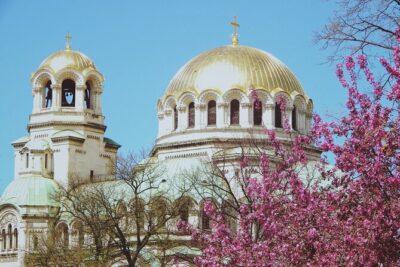
Sofia Highlights 2 Hour Sightseeing Walking Tour
Read our review →
Seven Rila Lakes Snowshoe Walk & Thermal Spring Pools
Read our review →Browse the lists this tour appears in