
Reviewed · WALKING TOURS
Plovdiv Sightseeing private walking tour
Plovdiv is one of those rare cities where the centuries sit on top of each other, and you can actually walk through the layers. This private 2.5-hour tour is a practical way to see the big highlights, from the Roman Theatre to the character-filled Old Plovdiv area. I love how the guide connects what you see to the story behind it, not just a list of dates. I also like the private pacing, so you can pause for photos or questions without feeling rushed.
One thing to consider: this is a walking tour through old streets and archaeological areas, so you’ll want comfortable shoes and moderate physical fitness.
Key Things To Know Before You Go
- Private, English-led visit for 2.5 hours focused on Plovdiv’s top historic sites
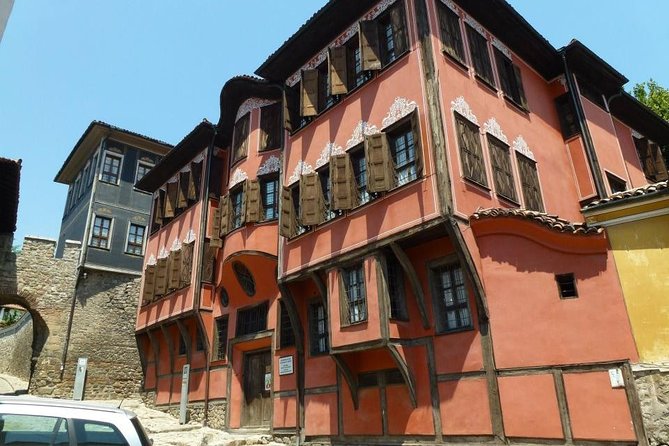
- Old Plovdiv on the Three Hills, where Revival-era houses sit next to much older ruins
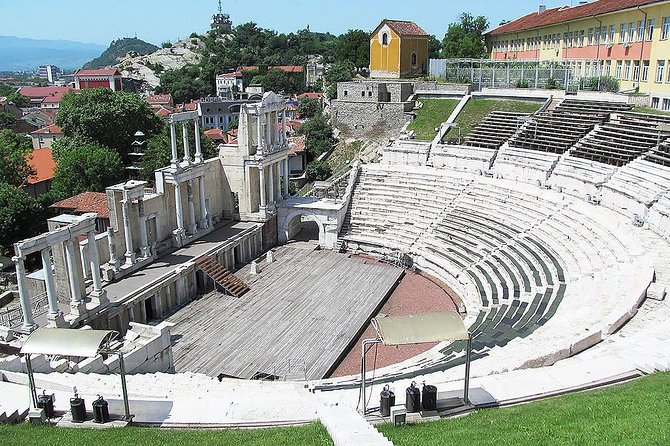
- Roman Theatre from the 2nd century, restored and still used for performances and festivals
- Roman Stadium, partly uncovered, giving you a direct view of how it works and how it fits the hillside
- Djumaia Mosque, an important 14th-century stop on the walk
- Ends at Nebet Tepe, with ancient ruins up on the hilltop
Why Plovdiv Feels Like History With Real Footsteps Under It
Plovdiv is the second-largest city in Bulgaria, and a lot of people call it the most beautiful Bulgarian town. It sits at about 160 meters above sea level, along the Maritsa River, and it spreads across the city’s seven hills. The guide story matters here because Plovdiv is more than one era, it’s Thracian roots, classical Greek city life, Roman power, Byzantine influence, Bulgarian strength, and crusader dreams, all piled into one compact place.
If you like when a city makes sense in layers, Plovdiv is great. The tour is built around walking those layers in the right order, starting in the historic heart and moving toward the hilltop ruins at the end. You’ll also get a feel for how Plovdiv connects to the wider region, too. The city is often treated as a starting point for trips toward the Rhodope Mountains, and it’s also about 150 km from Sofia.
My favorite part of this kind of visit is that you stop guessing. Instead of wondering what you’re looking at, the guide helps you read the streets and buildings like a map.
More Walking Tours in Plovdiv
- Private city walking tour of Plovdiv
★ 5.0 · 65 reviews - Plovdiv: Guided Walking Tour
★ 4.3 · 41 reviews - Food Walk: Bulgarian Food and Culture Tour in Plovdiv
★ 5.0 · 35 reviews
Meeting at Ramada Trimontium and How the Private Format Helps
The tour starts at the Ramada by Wyndham Plovdiv Trimontium, address 2 Kapitan Raicho Street, in the Central district. It begins at 9:00 am and runs about 2 hours 30 minutes. It ends at Nebet Tepe in the Central district, near the ancient ruins on top of the Old Town.
Because it’s private, you don’t have the usual group chaos of trying to keep up, then feeling left behind at the stops. That matters in Plovdiv, since the Old Town areas can include uneven terrain and spots where you might want a closer look. Also, you’ll have a guide who can adjust to your pace, which is a big deal when you want photos but don’t want to spend every minute climbing and rushing.
You’ll get the tour in English, and the tour includes a local guide plus a professional guide. If you’re the type who likes to understand why a building matters, this combination helps you move faster through the important points without turning it into a lecture.
Old Plovdiv on the Three Hills: Where Revival Houses Meet Roman-Era Bones
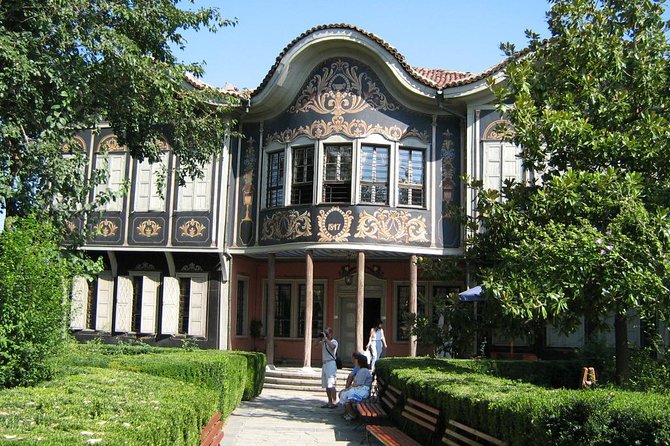
The tour spends real time in Old Plovdiv, an architectural and historical reserve on the Three Hills. This is where Plovdiv’s look comes alive: picturesque houses from the National Revival period are close to ruins from antiquity. You also see Bulgarian Renaissance churches in the mix, so the area gives you that rare feeling of being in the same walkable frame as multiple centuries.
The key is how the guide frames the area. Instead of you only seeing pretty facades, you’ll understand the city structure, the hillside setting, and how the old streets relate to the ruins below and around them. This kind of context helps you enjoy the details you’d otherwise miss.
Also, this is the part of Plovdiv where “local help” pays off. The tour is designed so you can reach areas and perspectives that are difficult to piece together on your own, especially if you want to keep the walk flowing rather than zigzagging. You’ll be able to focus on what matters, not just what’s easy to reach.
If you’re deciding whether you like Old Towns, this stop is your test. Plovdiv’s version feels authentic because it’s not museum-only. It’s lived-in history, seen from street level.
Roman Theatre From the 2nd Century, Restored and Still in Use
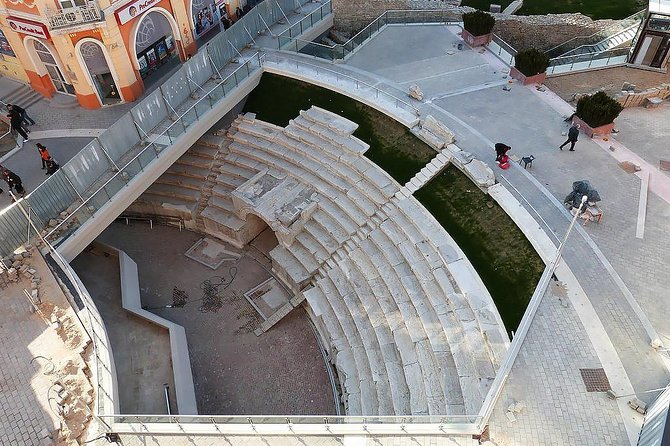
Next up is the Roman Theatre, dated to the 2nd century. The guide will point out that it has been restored and is still being used for different performances and festivals. That detail changes how you look at the site.
When a theater still has a stage life, it stops feeling like dead stone. You can picture the relationship between the hillside seating and the performance space. And you can understand how Roman urban planning wasn’t only about monuments, it was also about entertainment in everyday city life.
This is also one of the best places to slow down. Even if you’re not a theater person, you’ll likely find it satisfying just to look at the structure and imagine how people moved through it. And because this tour is private, you can ask your questions at the moment you care, rather than saving them for later.
Practical tip: bring your camera and be ready for angle changes. The site makes more sense when you shift your viewpoint, not when you only shoot one front-on photo.
A few more Plovdiv departures leaving the same week
- Plovdiv guided walking tour
★ 5.0 · 31 reviews - Plovdiv: Old Town Guided Walking Tour & Audioguide & Museum
★ 4.1 · 17 reviews - Food Walk Plovdiv: Bulgarian Food and Culture Tour
★ 5.0 · 16 reviews - Plovdiv Walking Tour To Old Town And Ancient Roman Landmarks
★ 5.0 · 13 reviews
The Roman Stadium, Partly Uncovered, and Why Position Matters
From the theater, the walk continues down to the Roman Stadium, which is partly uncovered. This stop gives you a different feel from the theatre. Instead of a built-up performance space, you’re seeing a sporting, public-life structure shaped for crowds and movement.
The value here is how the stadium sits in the terrain. Plovdiv’s hills matter, and this area shows that clearly. As you walk and stand at the right points, you can get a better sense of scale and how the stadium fits the surrounding old-town streets.
This is the kind of stop where your guide helps you read the site in a quick, useful way. You won’t just look at remains, you’ll understand the function of the place and why it mattered in Roman Plovdiv. The partly uncovered design means you get an honest view, not an over-polished one.
If you like “show me how it worked” sites, you’ll enjoy this. If you only like skyline views, you might want to prioritize the hilltop end of the walk too, since that’s where you get the ruins setting at Nebet Tepe.
Djumaia Mosque: A 14th-Century Layer You Should Not Skip
The tour continues down to the Djumaia Mosque, a 14th-century landmark. This is where Plovdiv stops being only Roman and shifts into later history and religious architecture. The mosque fits into the Old Town story in a way that feels natural once you’re walking the route, because it’s part of what makes the neighborhood feel like an actual city, not a theme park.
I like this stop because it balances the tour. You get strong Roman architecture earlier, then the mosque brings a different timeline, building style, and cultural focus. It also helps you understand how cities keep evolving. Even when earlier ruins remain, new communities still build, worship, and live around them.
The guide’s interpretation is important here, because the significance of a single structure can get lost if you’re just reading it as an object. On this walk, the mosque becomes part of the explanation of how Plovdiv grew and changed over time.
If you’re visiting Plovdiv for history, this mosque stop is a must.
Strolling the Pedestrian Main Street to Catch the Laid-Back Plovdiv Mood
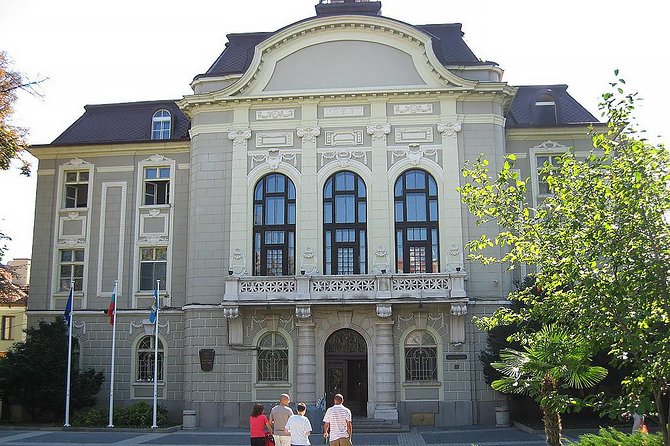
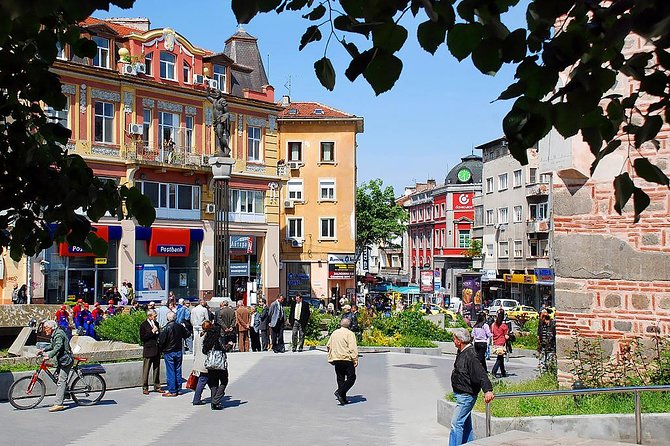
After the main historic anchors, the walk ends with a stroll along Plovdiv’s long pedestrian commercial street. Expect cafes and shops, and more of the everyday feel of the city. This is not just a “walk to get to the next thing” moment, it’s a payoff.
You’ll likely notice a shift in energy here. Earlier stops are about the deep time of ruins and architecture. The pedestrian street is about how people move now, where they sit, what they browse, and how the city’s old bones support modern life.
I find these transitions helpful because they keep the tour from turning into nonstop sightseeing without breathing room. Even if you don’t stop for a drink, walking through this area helps you absorb Plovdiv as a place you could actually spend a day in.
Nebet Tepe and the Hilltop Ending: Ancient Ruins at the Finish Line
The tour ends at Nebet Tepe, near ancient ruins on top of the Old Town. Ending on the hilltop matters. It gives you a natural finishing point, and it also forces your brain to re-map everything you saw earlier along the way.
Nebet Tepe works as a final summary without being repetitive. After the Roman Theatre, the Roman Stadium, and the Djumaia Mosque, you’re now looking at the city’s historic setting from above, with the sense that Plovdiv was built to work on hills from the start.
If you plan your day around this tour, this ending spot is helpful because you can decide what to do next based on the direction you want to go. You might also use the hilltop as a visual way to orient yourself if you plan to explore more of Plovdiv after the walk.
Price, What You’re Really Paying For, and When It’s Great Value
The price is $70.98 per person for an approximately 2.5-hour private walking tour in English. On paper, it’s not a bargain-basement price. But you are paying for a private guide experience with a set route that includes multiple top-tier sights in one compact walk.
What makes it feel like value is the combination of: a private format, expert guiding through several key sites, and a route that takes you between major Roman and historic landmarks plus the Old Town residential feel on the Three Hills. You’re not just buying access to a single monument. You’re buying help reading a whole historic area in the order that makes sense.
This price also tends to make the most sense when you care about interpretation and you don’t want to spend your limited time piecing together what to see and where to go. If you like to travel efficiently and you want the history to click, a private guided format here is a solid fit.
Who This Tour Suits Best, and What to Bring for a Smooth Walk
This tour is best for people who enjoy history but want it explained in a way that feels tied to place. You’ll get the most out of it if you like seeing Roman sites, then switching gears to a 14th-century stop like the Djumaia Mosque, and finishing with the Old Town hilltop feel at Nebet Tepe.
Because the tour calls for moderate physical fitness, you should wear shoes that handle old-street surfaces and steps. Also plan for time outdoors. You’re walking from the start near Ramada Trimontium through Old Plovdiv areas and up to the end ruins, so sun and shade can matter.
Even though drinks and food are not included, you can still plan your day smoothly. If you know you get thirsty on walks, bring a bottle or plan a quick stop after the tour along that pedestrian street full of cafes and shops.
Should You Book Plovdiv’s Private Walking Tour?
I’d book this tour if you want your Plovdiv time to feel organized and meaningful, not random. The route hits big names, like the Roman Theatre and Roman Stadium, then adds the Djumaia Mosque so the history doesn’t feel one-note. And because it’s private, the guide can match your pace, which is a real advantage in the Old Town.
Skip it only if you’re traveling with a very limited walking tolerance, since this is a moderate-fitness walking route through historic terrain. If you’re comfortable walking for about 2.5 hours, this is an efficient way to get the essentials of Plovdiv’s “ancient and eternal” character in one go.
FAQ
How long is the Plovdiv sightseeing private walking tour?
The tour lasts about 2 hours 30 minutes.
What language is the tour offered in?
It is offered in English.
Is this a private tour?
Yes. It’s a private tour, so only your group participates.
Where does the tour start and end?
It starts at Ramada by Wyndham Plovdiv Trimontium, 2 Kapitan Raicho St, Plovdiv, and ends at Nebet Tepe, in the Central district.
What sights will we see during the walk?
You’ll visit Old Plovdiv, the Roman Theatre, the Roman Stadium, Djumaia Mosque, and you’ll end at ancient ruins on top of the Old Town at Nebet Tepe.
Is food or drinks included?
No. Drinks and food are not included.
What is the cancellation policy?
You can cancel for free up to 24 hours in advance for a full refund. If you cancel less than 24 hours before the start time, the amount paid is not refunded.
Written up most recently in Plovdiv
- Koprivshtitsa History and Architecture: From Plovdiv★ 5.0 · 3 reviews
- Private Horse Riding in Rhodope Mountains from Plovdiv★ 4.0 · 3 reviews
- Full Day Tour to Koprivshtica and Starosel Thracian Tomb★ 5.0 · 3 reviews
- Plovdiv – Buzludzha and the Thracian kingdom valley★ 5.0 · 3 reviews
- Plovdiv Roman Sights Self-Guided★ 4.5 · 3 reviews
- Transfer Plovdiv to Sofia airport/city with a car 3+1★ 5.0 · 3 reviews
- Zip Line & Via Ferrata Experience in the Rhodope Mountains★ 3.5 · 3 reviews
- Tour from Plovdiv to Bachkovo,Asen Fortress and Wonderful Bridges★ 5.0 · 4 reviews
Walking Tours, compared.
City Monuments Guided Walking Tour with Audio Guide
Read our review →
Sofia Highlights 2 Hour Sightseeing Walking Tour
Read our review →
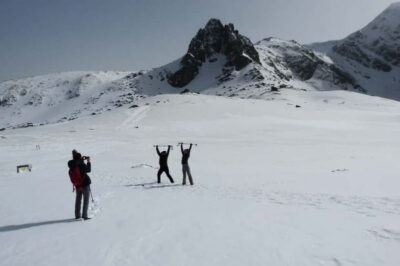
Seven Rila Lakes Snowshoe Walk & Thermal Spring Pools
Read our review →Browse the lists this tour appears in